
SnailBarriers Project
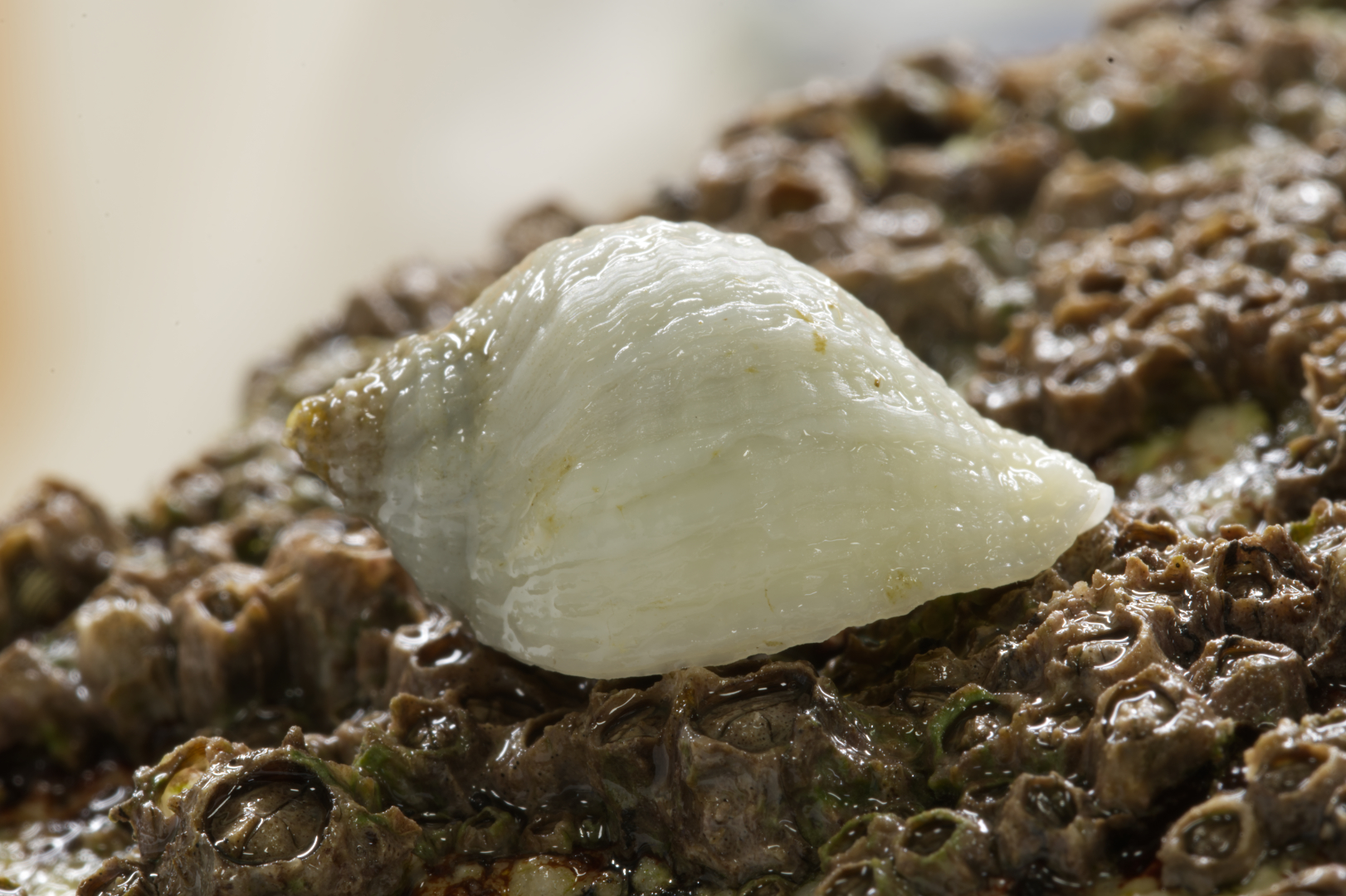
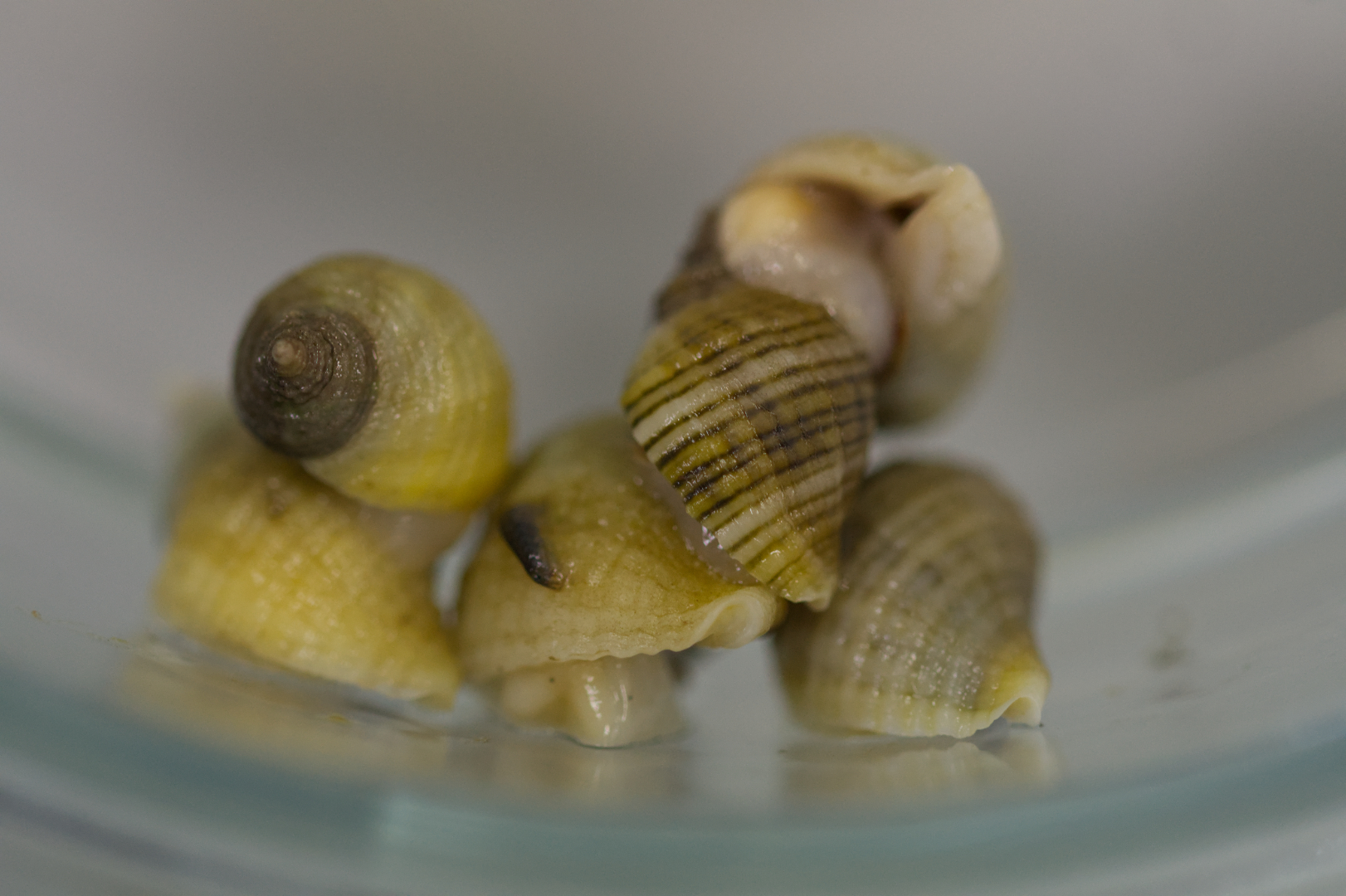
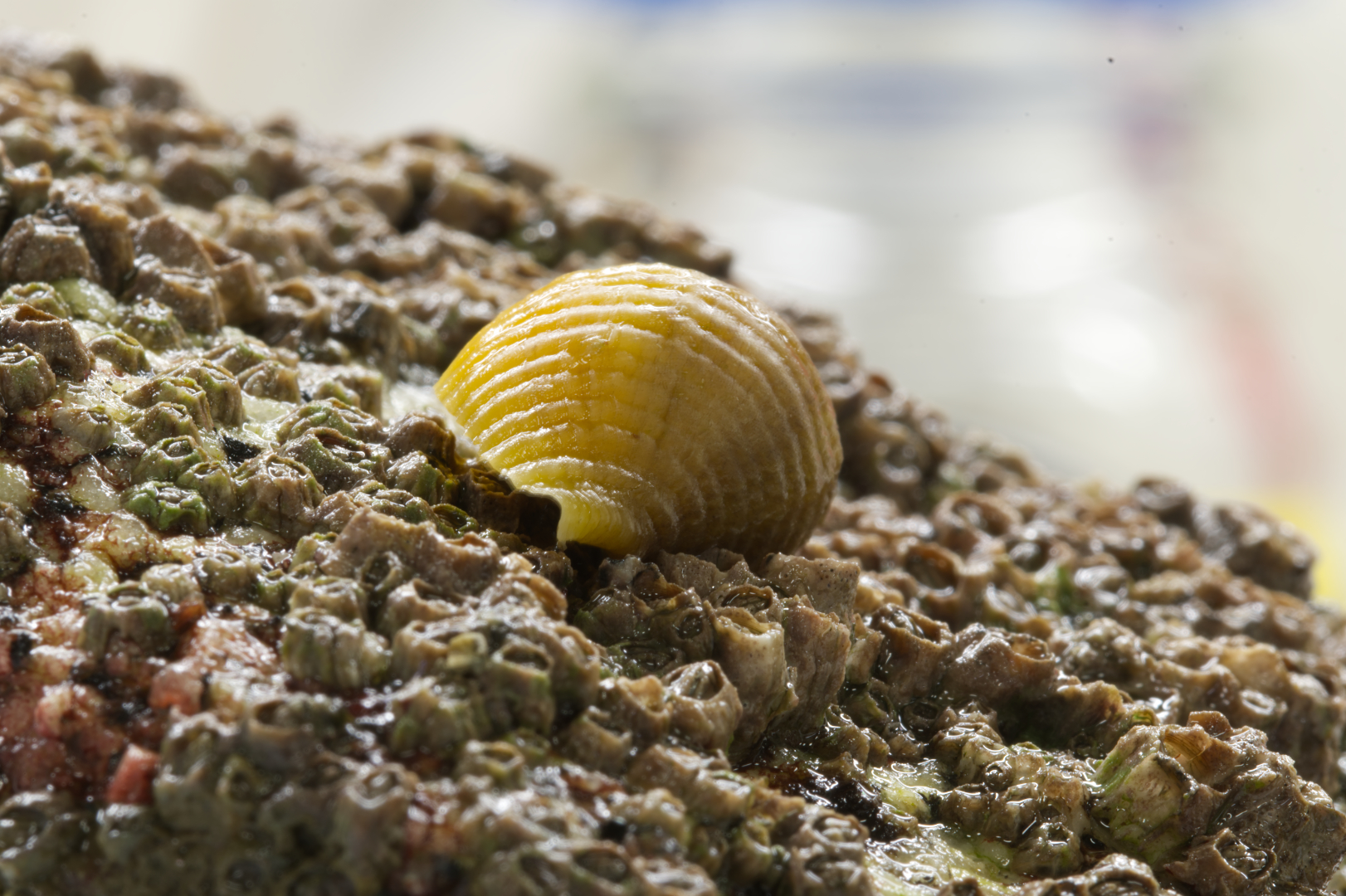
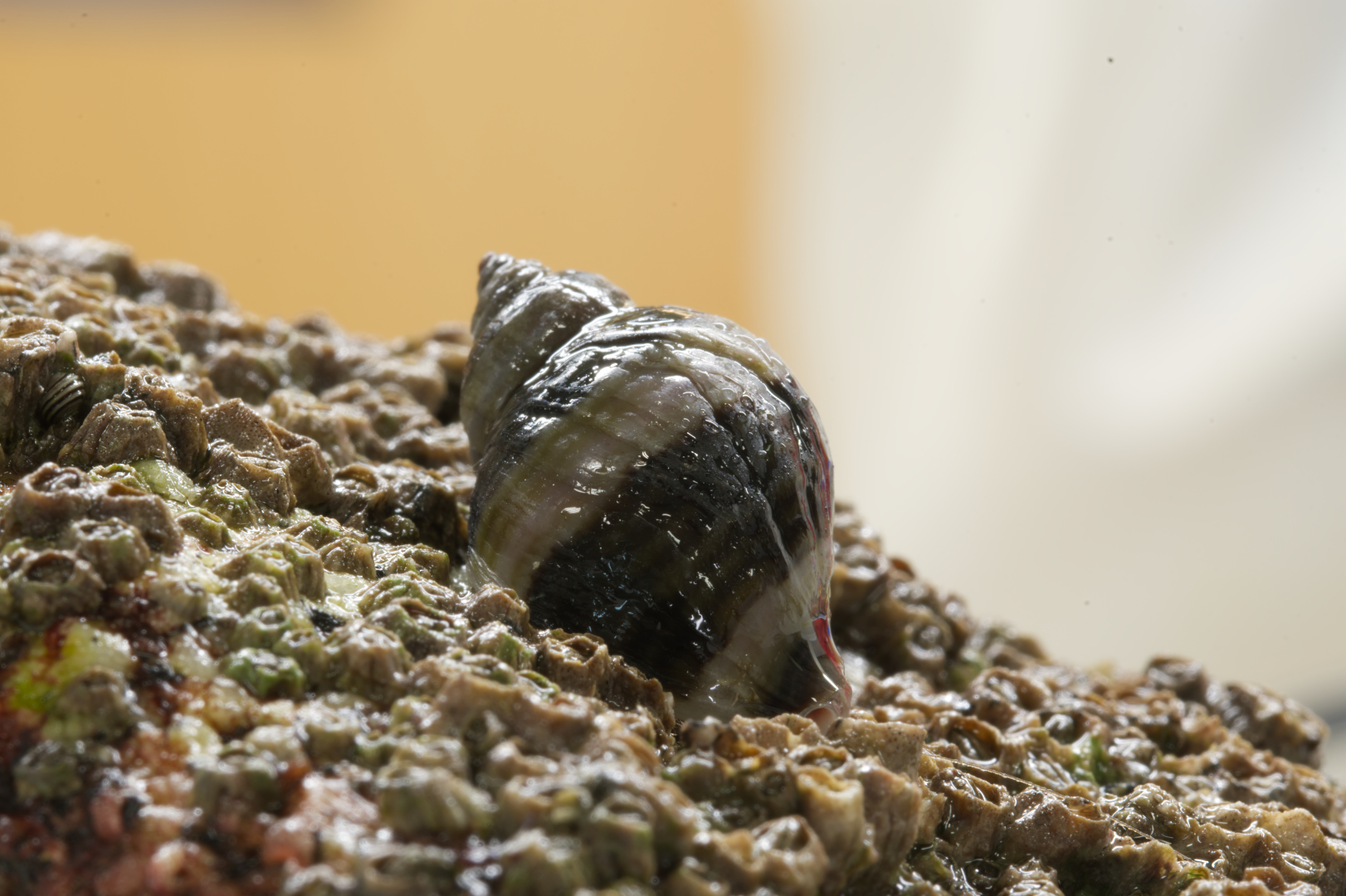
The SnailBarriers project investigates the reproductive barriers driving genetic divergence between Littorina saxatilis Crab and Wave ecotypes along the Galician coast, while documenting ongoing hybridization between them
Our purposes
Associative mating and sexual selection establish mate preferences that act as powerful pre-zygotic barriers, driving rapid divergence even in the face of gene flow. These processes are particularly crucial in many study systems in evolutionary biology. Littorina saxatilis represents a classic model of ecological speciation where Crab and Wave ecotypes have differentiated across sharp microhabitat transitions along the Atlantic rocky shores. Our project uses L. saxatilis to dissect how sexual selection reinforces habitat-specific adaptations and contributes to reproductive isolation between ecotypes.
In this project, we focus on pre- and post-zygotic barriers maintaining divergence between Crab and Wave ecotypes of L. saxatilis. The project aims to understand how mate choice preferences and hybrid disadvantages interact to stabilise genetic differentiation and limit gene flow in this context of genomic divergence driven by chromosomal inversions.
Pre-zygotic barriers
Associative mating and sexual selection are fundamental pre-zygotic barriers that can rapidly drive population divergence and speciation by reinforcing ecotype-specific mate preferences. This line characterises these processes in pure Crab and Wave ecotypes through field observations and controlled lab experiments.
- Field sexual selection: We record natural mating pairs (male-female and male-male) and measure shell traits to identify drivers of mate choice.
- Lab sexual selection: Males and females are separated by ecotype, then tested in single- and multiple-choice arenas using size-selected individuals.
- Mucus trail following: Males follow scent trails laid by females on glass plates; video analysis overlays paths to quantify trail-following accuracy.
Post-zygotic barriers
Hybrid disadvantages represent a classic post-zygotic barrier where genetic incompatibilities reduce hybrid fitness, stabilising divergence between ecotypes even when gene flow occurs. This line quantifies these effects through survival, mating success, and embryo viability in field and laboratory conditions.
- Hybrid survival in nature: Long-term area counts across multiple sites, years, and seasons track hybrid distribution and persistence.
- Hybrid mating success: Size-selected hybrids compete with pure ecotypes in single- and multiple-choice mating trials.
- Embryo abortion rates: We compare viable vs. aborted egg capsules between hybrid crosses and pure ecotype crosses.
Genomic architecture of barriers
A further step on this project aims to characterise the genomic basis of these reproductive barriers.
This research pretends to map barrier loci underlying mate choice, hybrid breakdown, and embryo inviability by generating population genomic data.
These genotype-phenotype links identify candidate regions for pre- and post-zygotic isolation, with chromosomal inversions as key structural variants driving divergence in this classic speciation system.
Explore our work
SnailBarriers Project Image Collection
Results
Publications
Below, you can find the scientific works generated by this project
Research incoming!
Research incoming!
More research incoming!
Funding
Project PID2021-124930NB-I00 funded by MICIU/AEI /10.13039/501100011033 and by FEDER, UE

Our Work
Other projects
Explore our significant research projects that bridge the gap between evolutionary biology and snail genomics.
Snail Genomics Research
This project delves into the genetic framework of specific snail species to uncover how these traits influence their adaptation and survival in diverse environments.
Ecological Studies
Here, we analyze the interactions between snails and their ecosystems, focusing on how they contribute to nutrient cycling and habitat integrity.
Collaborative Initiatives
This initiative promotes partnerships within the academic community to advance research on snail biodiversity, leveraging collective insights for greater impact.