
MateChoice Project
The MateChoice project investigates how mate choice shapes divergence, polymorphism, and speciation in intertidal snails
Our purposes
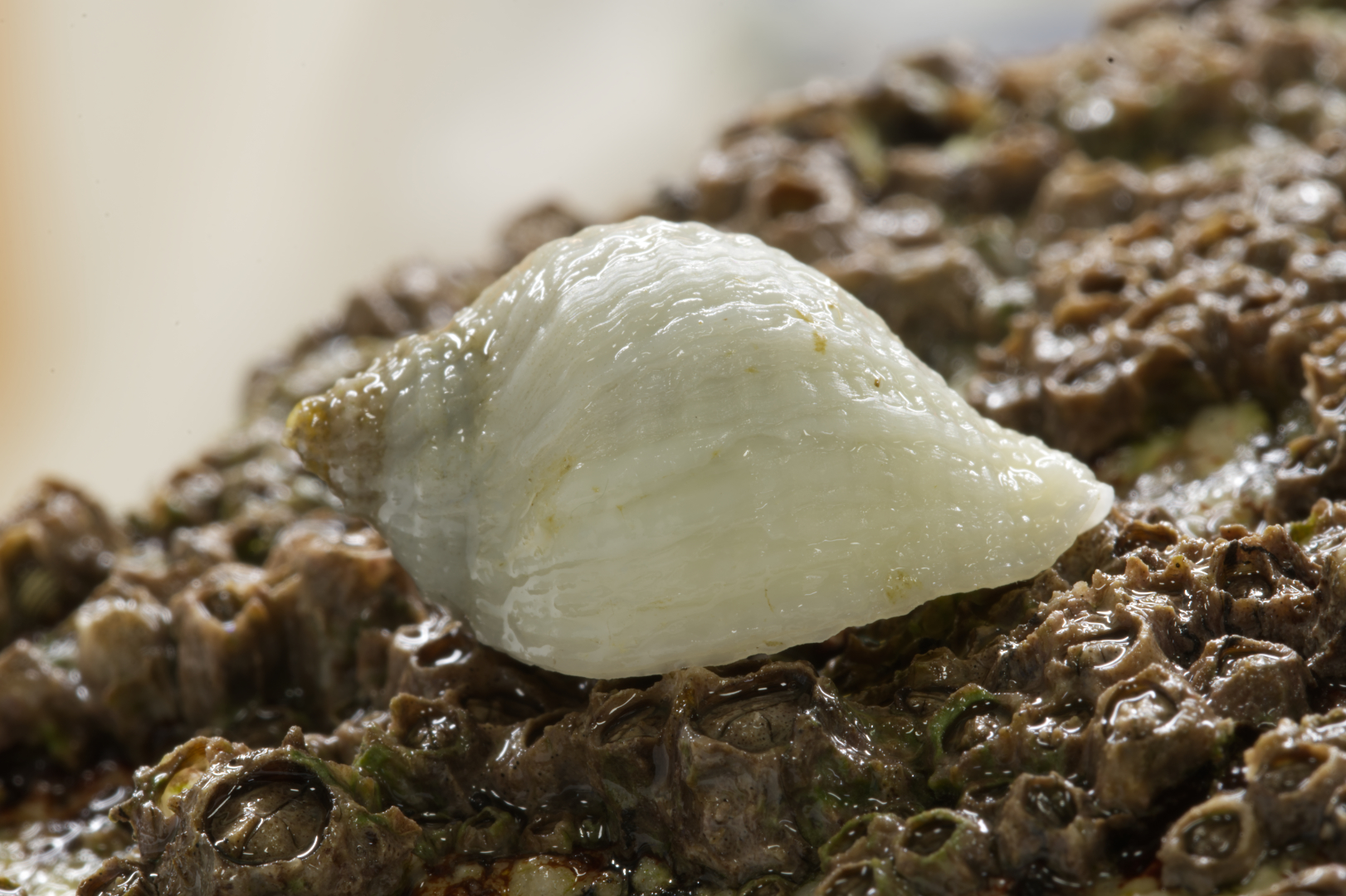
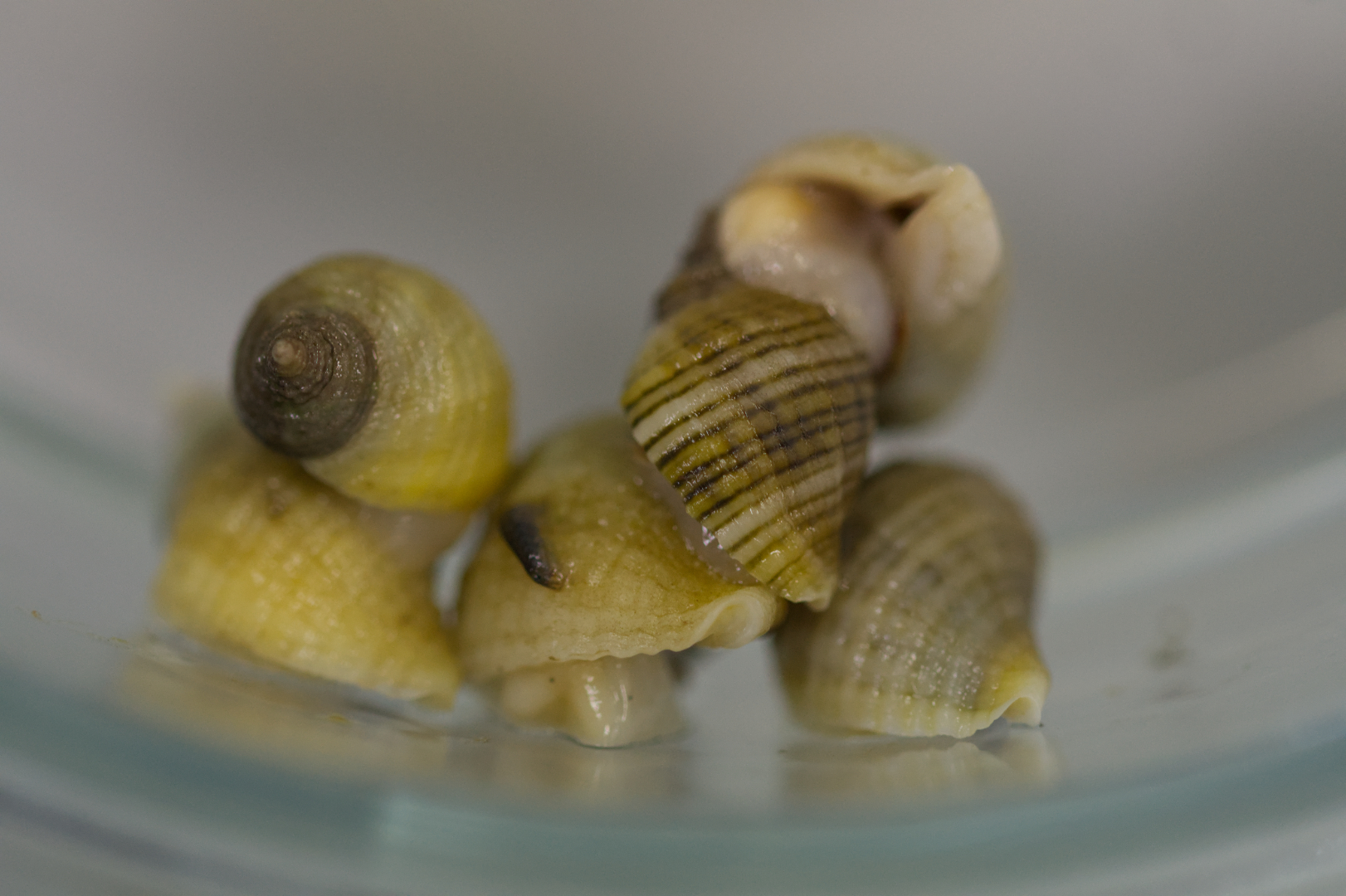
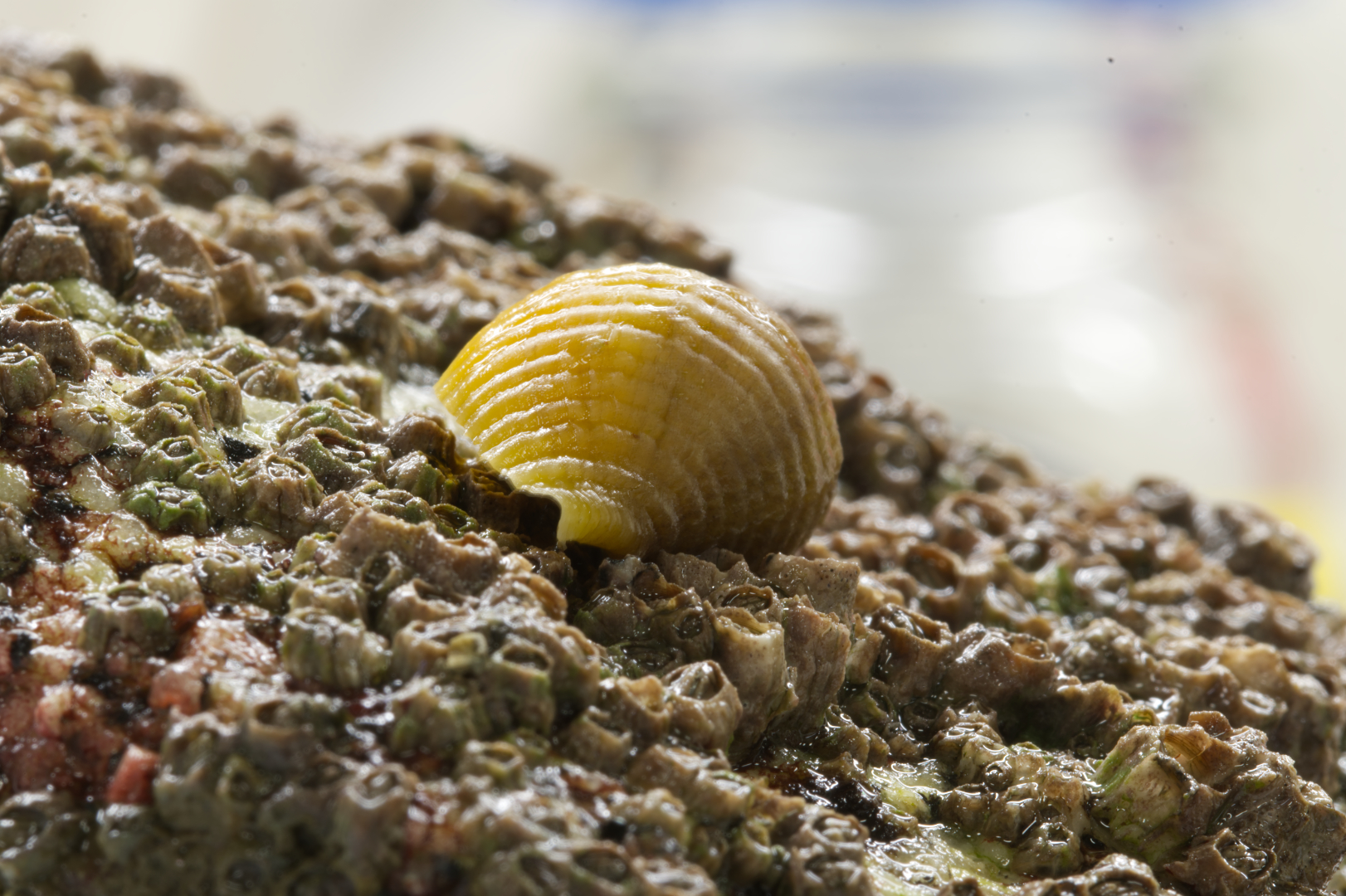
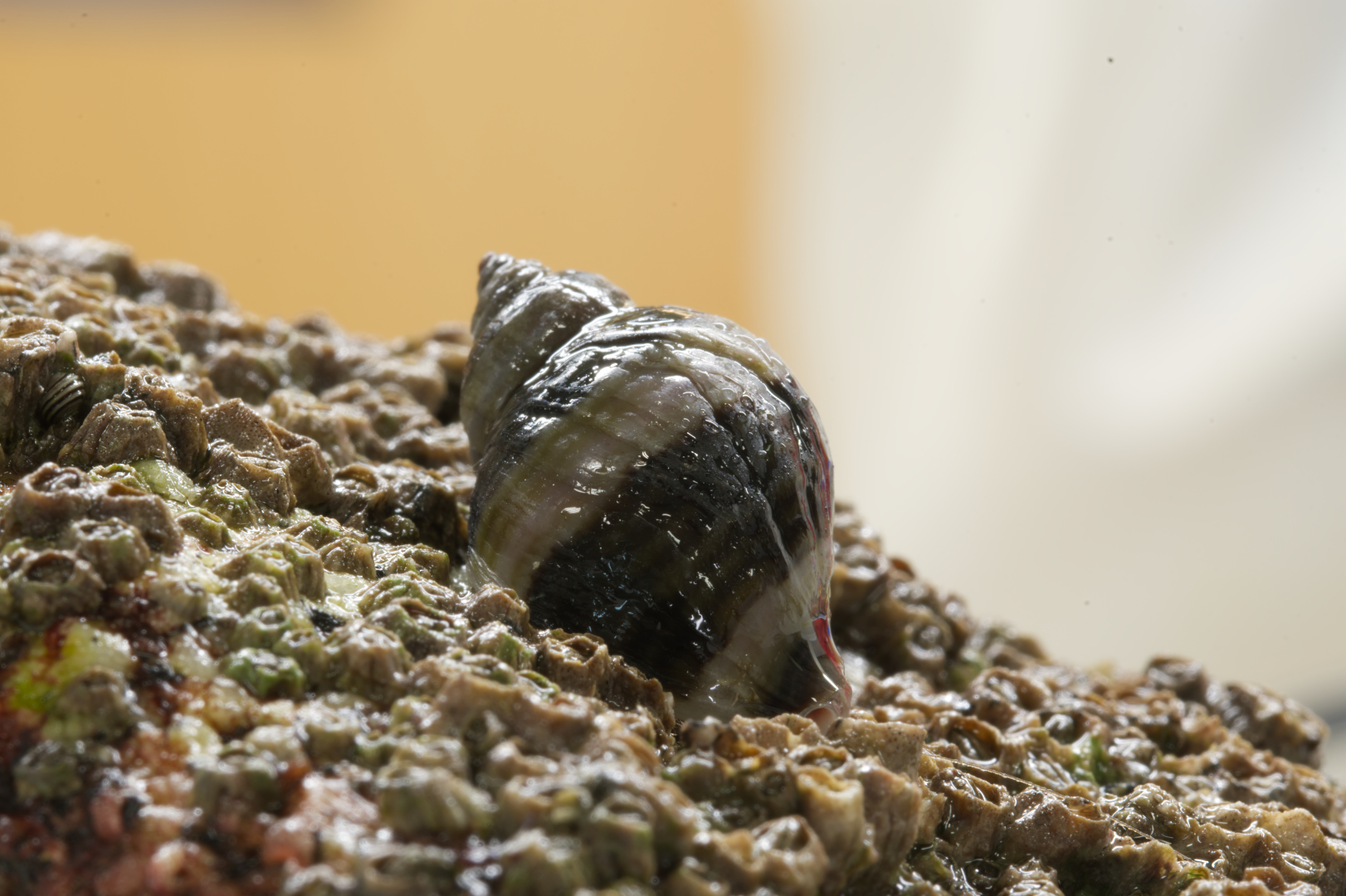
Mate choice is a fundamental evolutionary mechanism with profound consequences, generating positive assortative mating (like-with-like pairing that drives sexual isolation and speciation) and negative assortative mating (like-with-unlike pairing that maintains intraspecific diversity, potentially countering inbreeding depression). In intertidal snails of the genera Littorina and Echinolittorina, mating deviates strongly from randomness, revealing male-driven preferences for size, color, or ecotype. Our project uses these marine gastropods as model organisms to dissect the behavioral, genomic, and microspatial drivers of mate choice evolution.
In this project, we focus on mate choice mechanisms in Littorina and Echinolittorina species. The project investigates how these preferences arise, function across multiple traits, and shape speciation versus polymorphism in natural populations.
Preference functions
Refining mathematical models of mate choice is essential for accurate inference of evolutionary drivers from field mating data, bridging behavioral observation to quantitative genetics.
- Verified estimators and developed multidimensional preference functions, implemented in open-source software (R packages and standalone tools).
- Produced publications and tools enabling third-party analysis of multifactorial mating causes.
Preference mechanisms
Identifying whether preferences stem from sensory cues, learning, or genetic architecture reveals how mate choice evolves behavioral complexity in species with limited dispersal.
Characterized mechanisms in L. fabalis (color-based) and E. malaccana (size-based) via behavioral assays.
Completed behavioral studies with publications; transcriptomic and proteomic analyses pending publication.
Preference evolution
Understanding why preferences evolve—particularly positive size-assortment ubiquitous across taxa—requires integrating microspatial ecology with speciation models.
- Completed evolutionary study of size preference in speciation contexts, under submission.
- Developed software modeling preference evolution accounting for fine-scale spatial population structure.
Explore our work
SnailBarriers Project Image Collection
Results
Publications
Below, you can find the scientific works generated by this project
Research incoming!
Research incoming!
More research incoming!
Funding
Project PID2022-137935NB-I00 funded by MICIU/AEI /10.13039/501100011033 and by FEDER, UE

Our Work
Other projects
Explore our significant research projects that bridge the gap between evolutionary biology and snail genomics.
Snail Genomics Research
This project delves into the genetic framework of specific snail species to uncover how these traits influence their adaptation and survival in diverse environments.
Ecological Studies
Here, we analyze the interactions between snails and their ecosystems, focusing on how they contribute to nutrient cycling and habitat integrity.
Collaborative Initiatives
This initiative promotes partnerships within the academic community to advance research on snail biodiversity, leveraging collective insights for greater impact.