ChromEvolBar Project
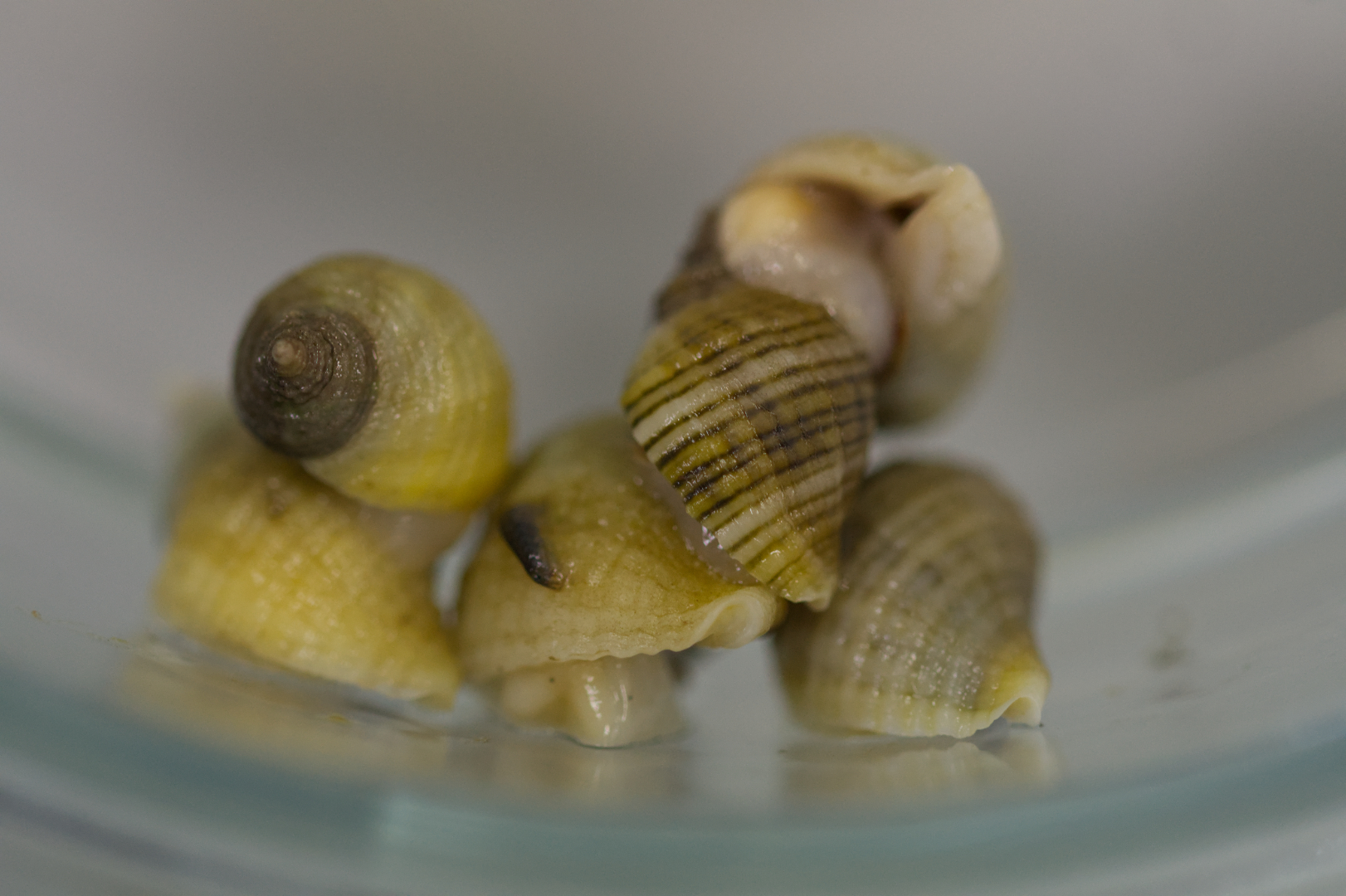
How chromosomal rearrangements shape adaptation and speciation in the marine snail Nucella lapillus
Our purposes
Robertsonian translocations (chromosome fusions and fissions) generate distinct chromosomal races. These rearrangements are thought to reduce recombination, but their role in driving speciation is still poorly understood. Our project uses the marine snail N. lapillus, which exhibits a chromosomal polymorphism driven by Robertsonian translocations. The study of how these chromosomal rearrangements arise, spread, and influence genomic divergence and the evolution of reproductive barriers represents a fundamental question for evolutionary biology.
In this project, we focus on Robertsonian translocations and their role in creating and maintaining genomic barriers to gene flow between two chromosomal races of Nucella lapillus (2n=26 and 2n=36). The project aims to understand how these rearrangements contribute to the establishment and evolution of chromosomal races by suppressing recombination, thereby promoting the maintenance and accumulation of adaptive genetic variation.
Genomic architecture of divergence
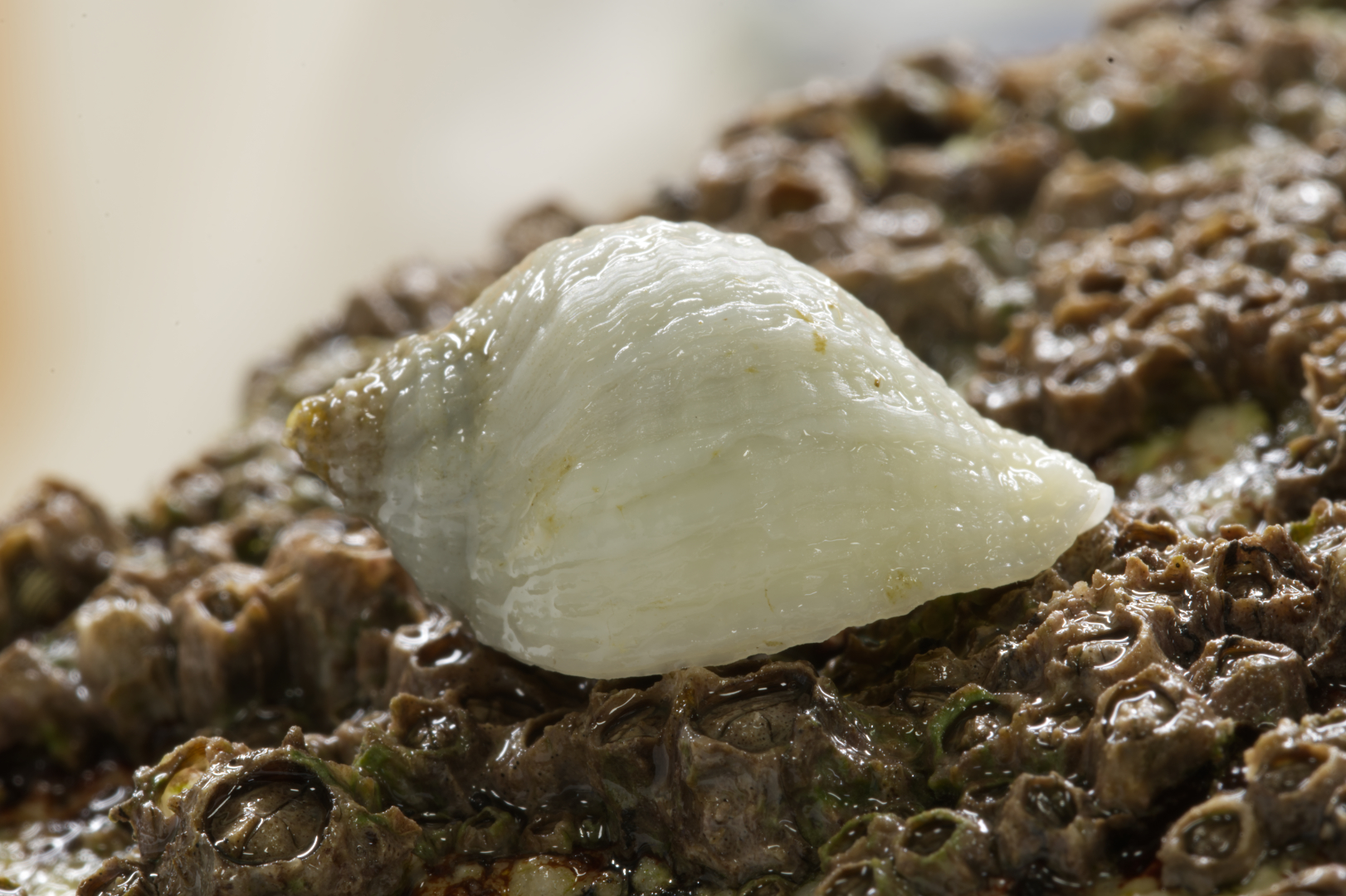
This project aims to describe the genomic architecture of divergence between these chromosomal races. As both ecotypes have undergone parallel adaptation, understanding the genomic basis of this differentiation and the effects of Robertsonian translocations on it will advance our knowledge of how chromosomal rearrangements – specifically Robertsonian translocations – contribute to establishing barriers to gene flow.
Effects of introgression
The project then addresses the effects of introgression on this divergence, studying in detail natural populations where both races overlap. Thus, this research aims to characterise the potential effects of gene flow in natural populations across a chromosomal polymorphism cline, and the impact on karyotype, phenotype, and biological fitness.
Role of microhabitat and ecological gradients
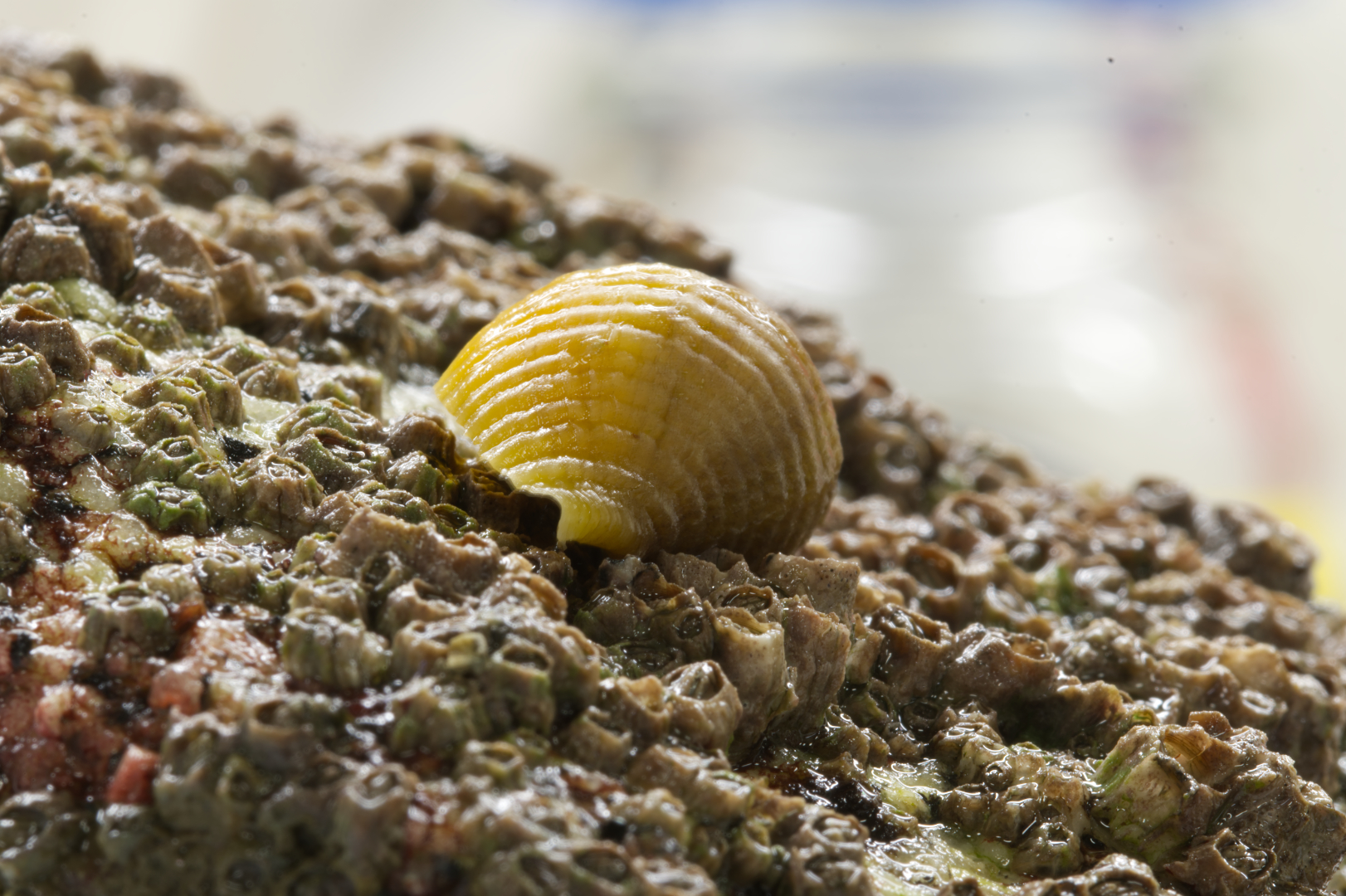
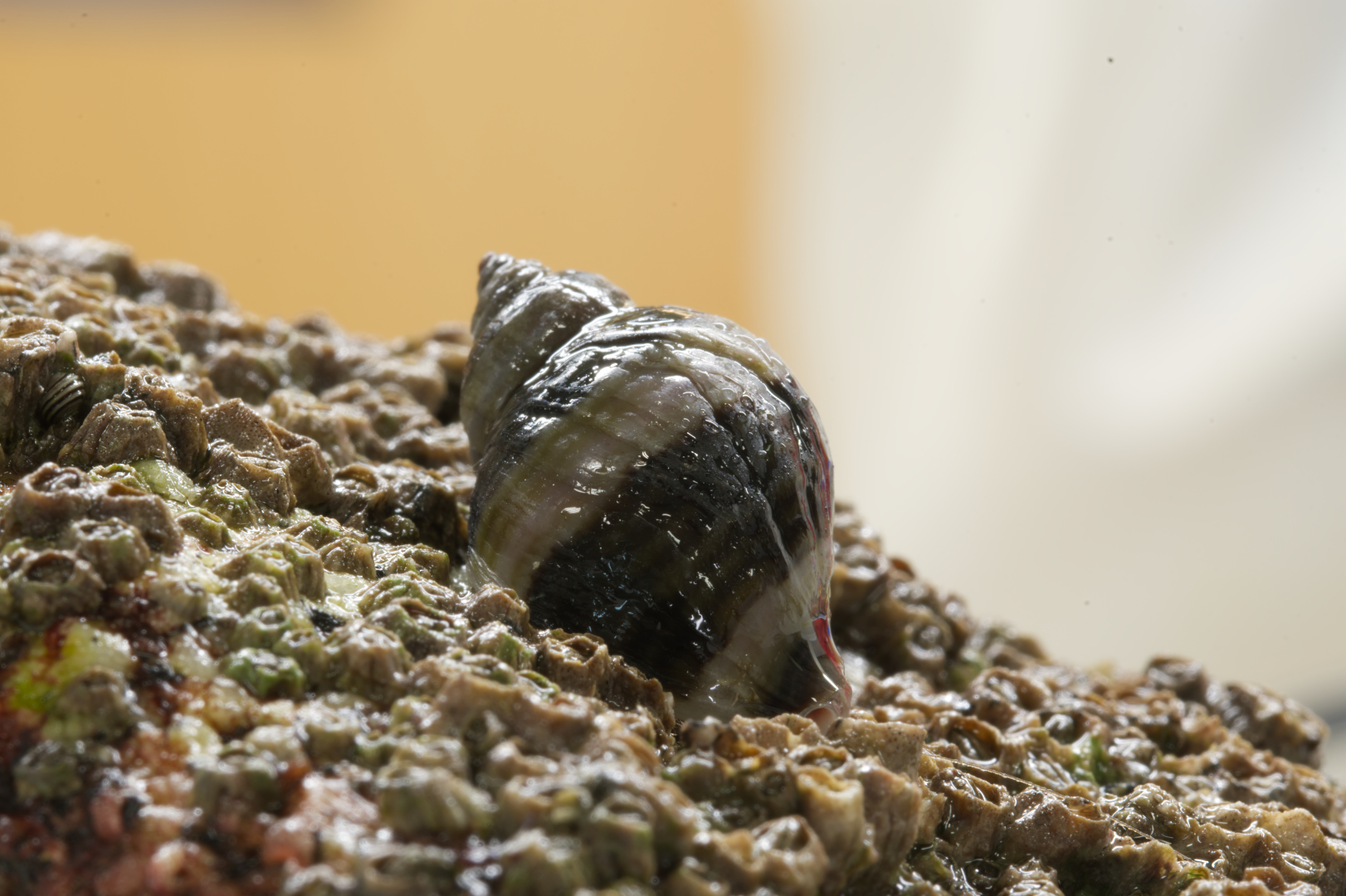
Finally, the project seeks to understand the effects of microdistribution on the genetic exchange between races. In the intertidal zone, strong ecological gradients exert multiple selective forces that drive fine-scale isolation of populations, which survive only in habitats to which they are best adapted. Thus, it intends to characterise the environments where both races coexist, and whether their abundance in different locations affects distribution and potentially constitutes a barrier between these races.
Explore our work
ChromEvolBar Project Image Collection
Results
Publications
Below, you can find the scientific works generated by this project
More research incoming!
Funding
Grant CNS 2022-135685 funded by MICIU/AEI /10.13039/501100011033 and by the European Union NextGenerationEU/PRTR