
Polymorph Project
The Polymorph project elucidates the evolutionary causes and consequences of polymorphisms in intertidal marine snails, using ecological model organisms like Littorina saxatilis and Nucella lapillus to test mechanisms of maintenance against drift and recombination
Study systems
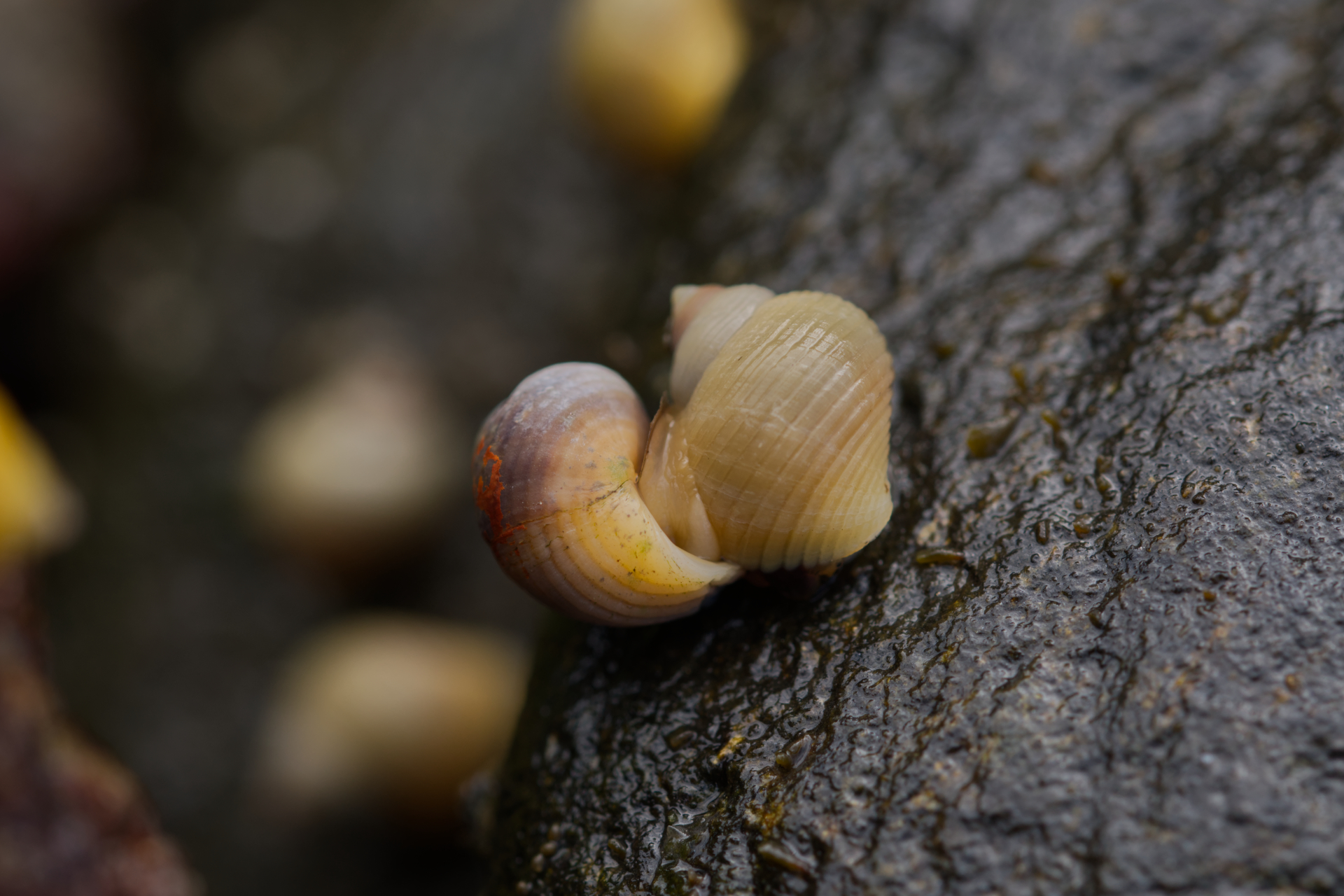
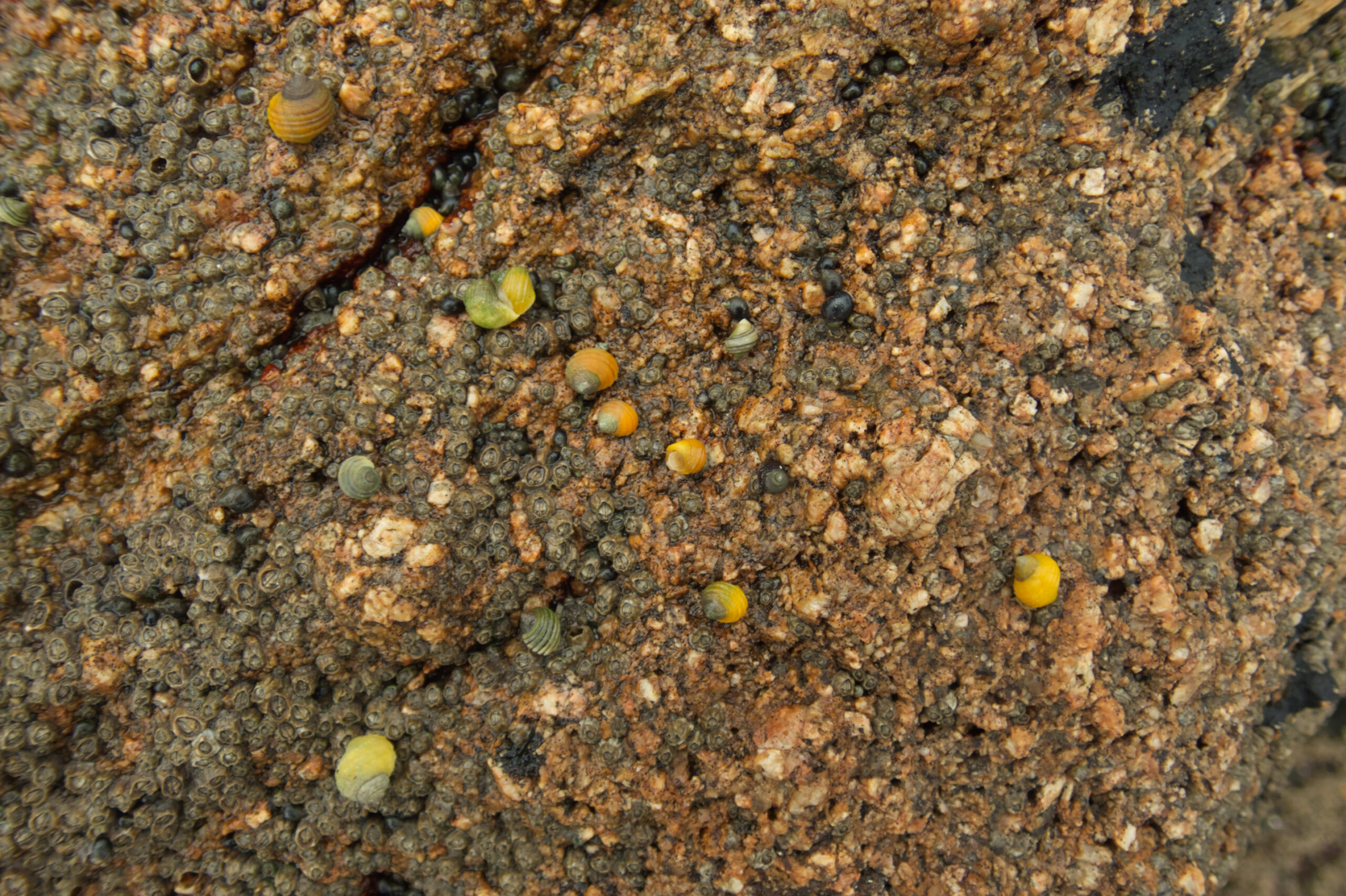
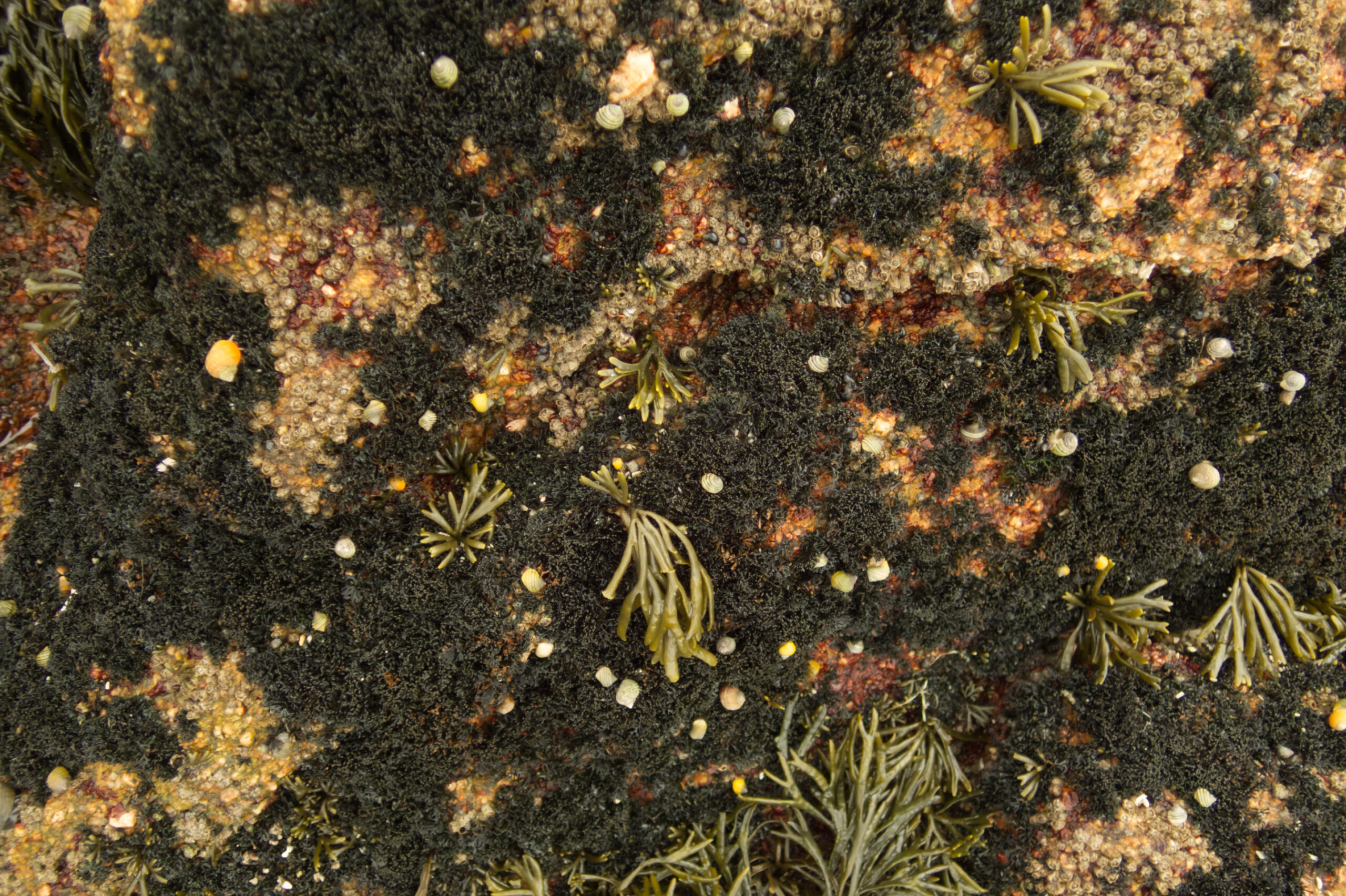
Marine gastropods such as Littorina saxatilis and Nucella lapillus inhabit rocky intertidal shores with strong environmental gradients, exhibiting striking shell color polymorphisms and chromosomal variation within populations. These ovoviviparous snails show low dispersal, direct development, and high polymorphism in color (e.g., clinal shifts from yellow/fulva to lineata in L. saxatilis estuaries) and karyotype (e.g., 26 vs. 36 chromosomes in N. lapillus). Such intrapopulation variation—genetic, plastic, or both—provides ideal models for studying adaptation, speciation, and resilience to climate change in coastal ecosystems.
Our purposes
Polymorphisms, especially discrete color variants, challenge evolutionary theory by persisting against genetic drift and recombination, potentially via balancing selection, frequency-dependent fitness, or coadapted gene complexes like inversions. In Littorina saxatilis, estuarine clines in shell color and physiology coincide with ecotypes; in N. lapillus, chromosomal polymorphisms associate with habitats. Our project uses these systems to dissect how polymorphisms arise, persist, and influence genomic diversity, mate choice, predation, and thermal tolerance.
In this project, we focus on intrapopulation polymorphisms (shell color, chromosomal) in L. saxatilis and N. lapillus. The project seeks to understand how these variants are maintained—via negative frequency-dependent selection, habitat crypsis, mate choice, or structural variants—and their consequences for adaptation, extinction risk, and responses to climate-driven change.
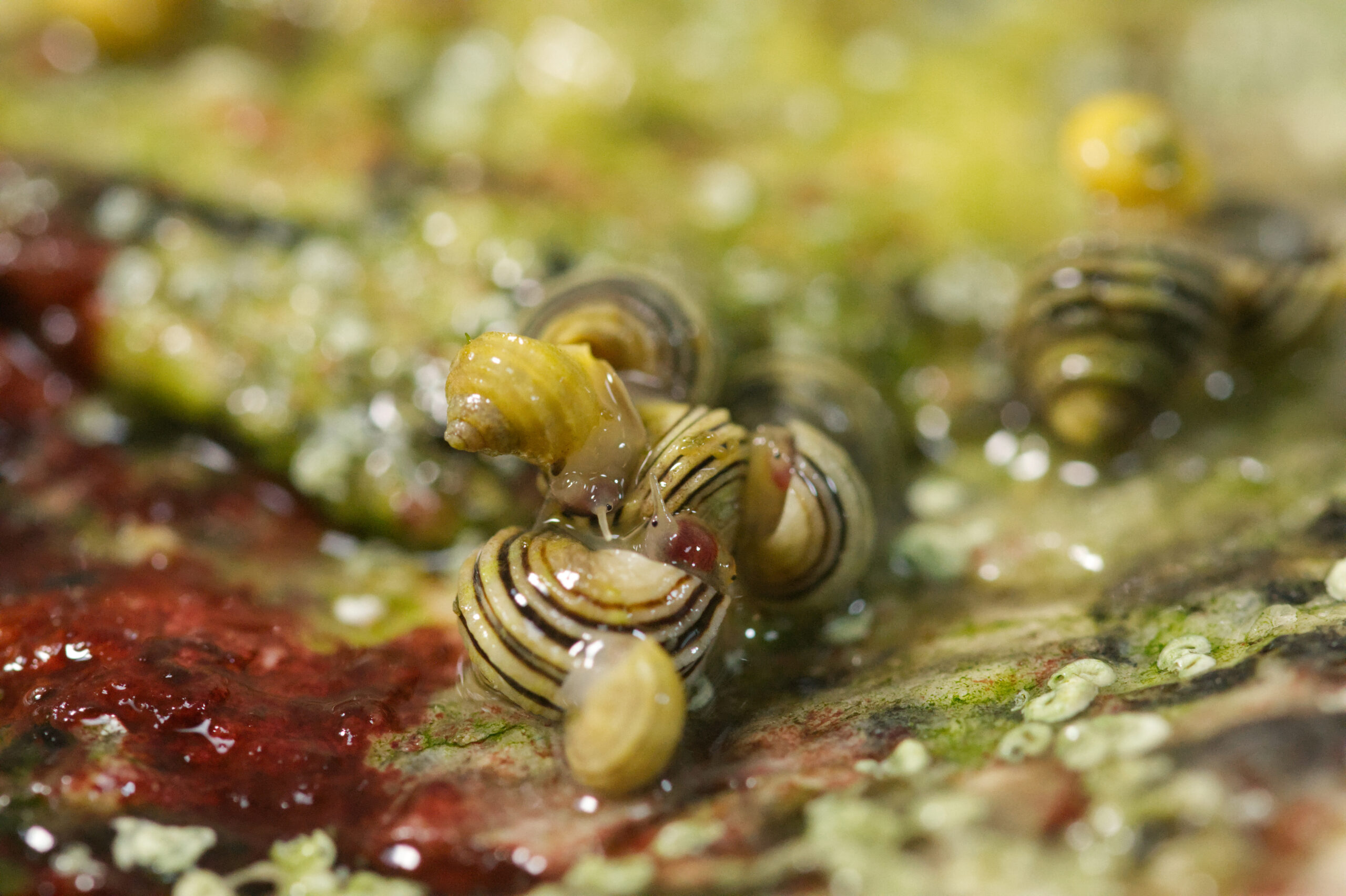
Characterize polymorphisms
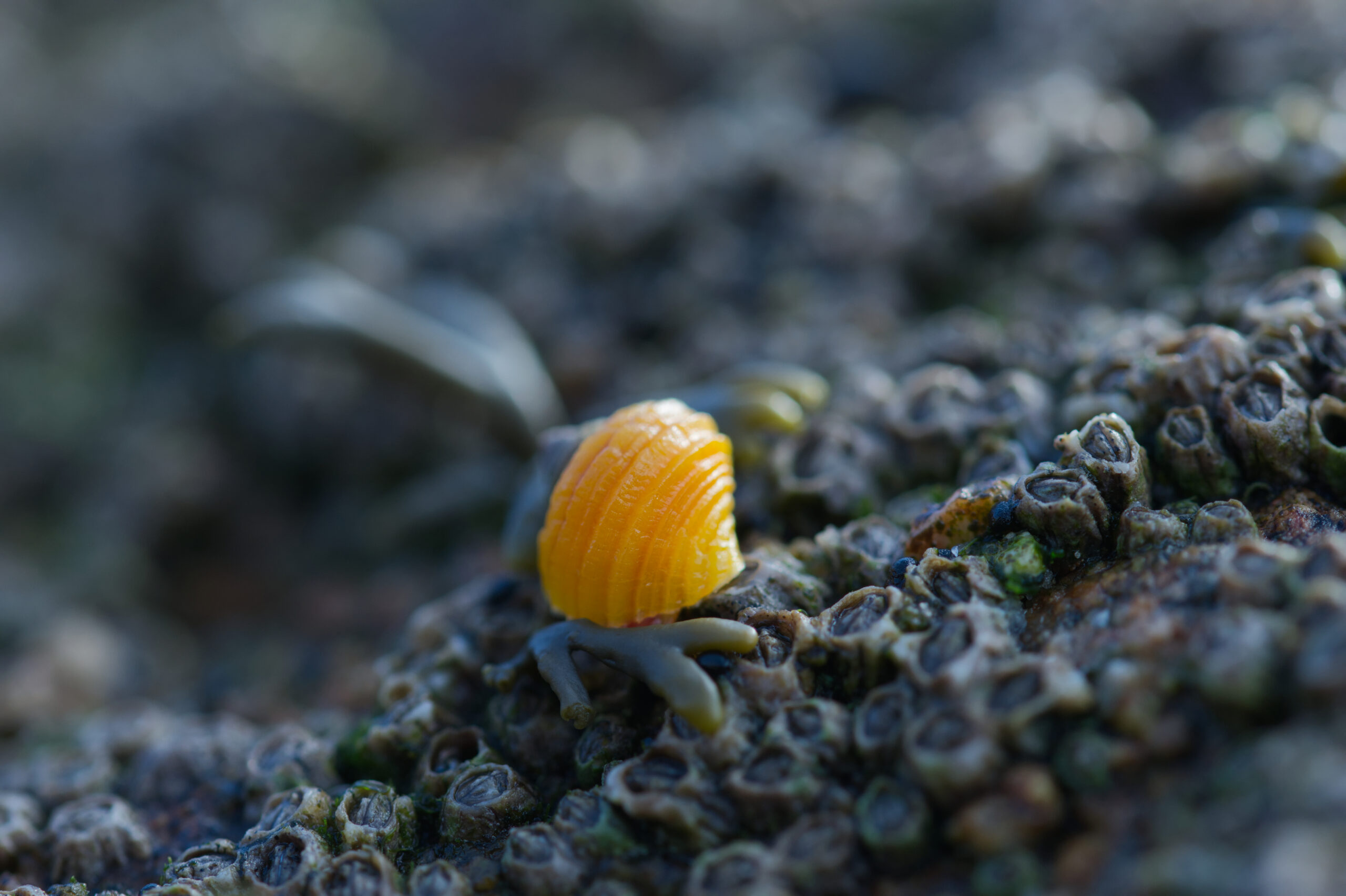
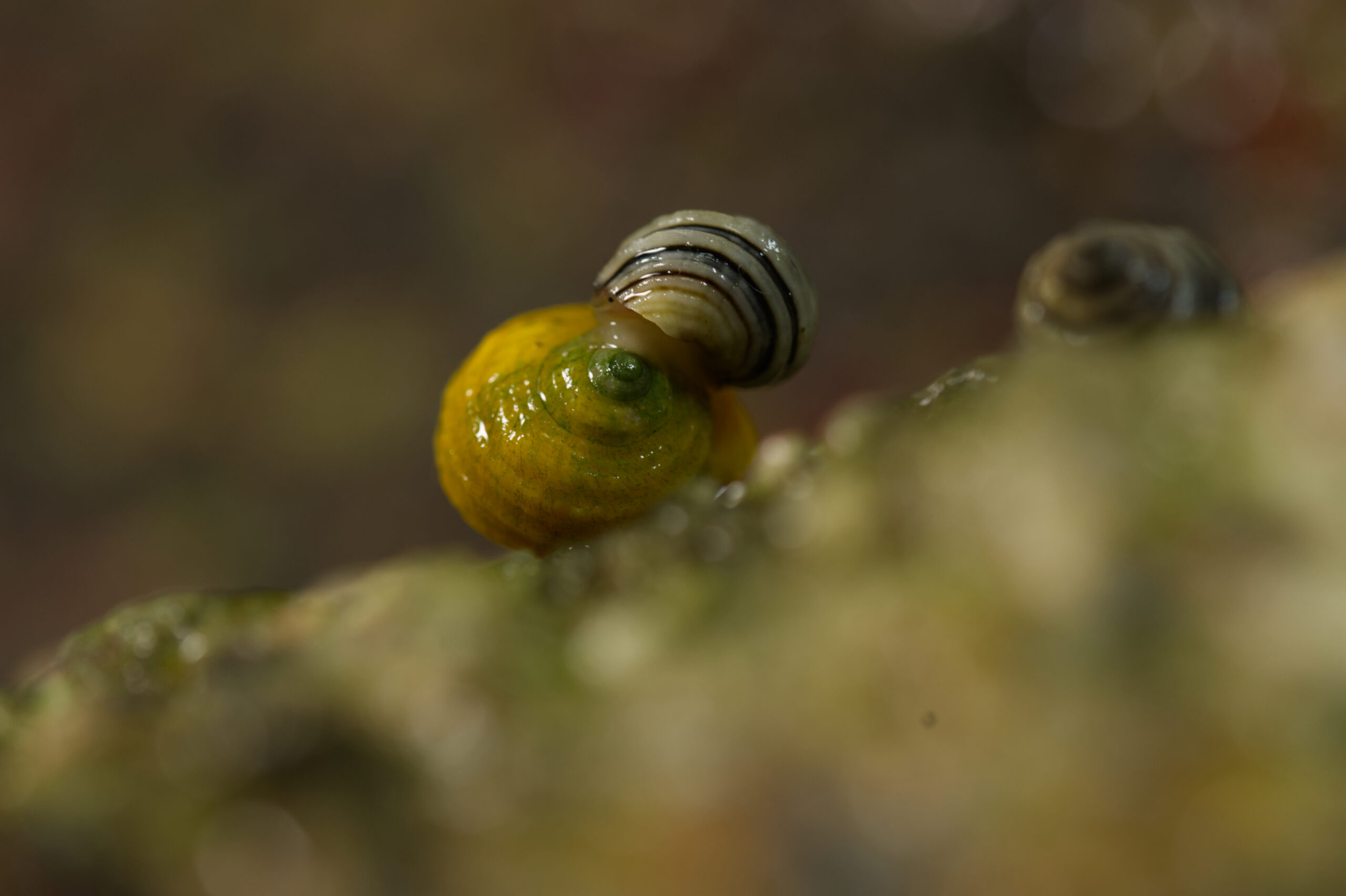
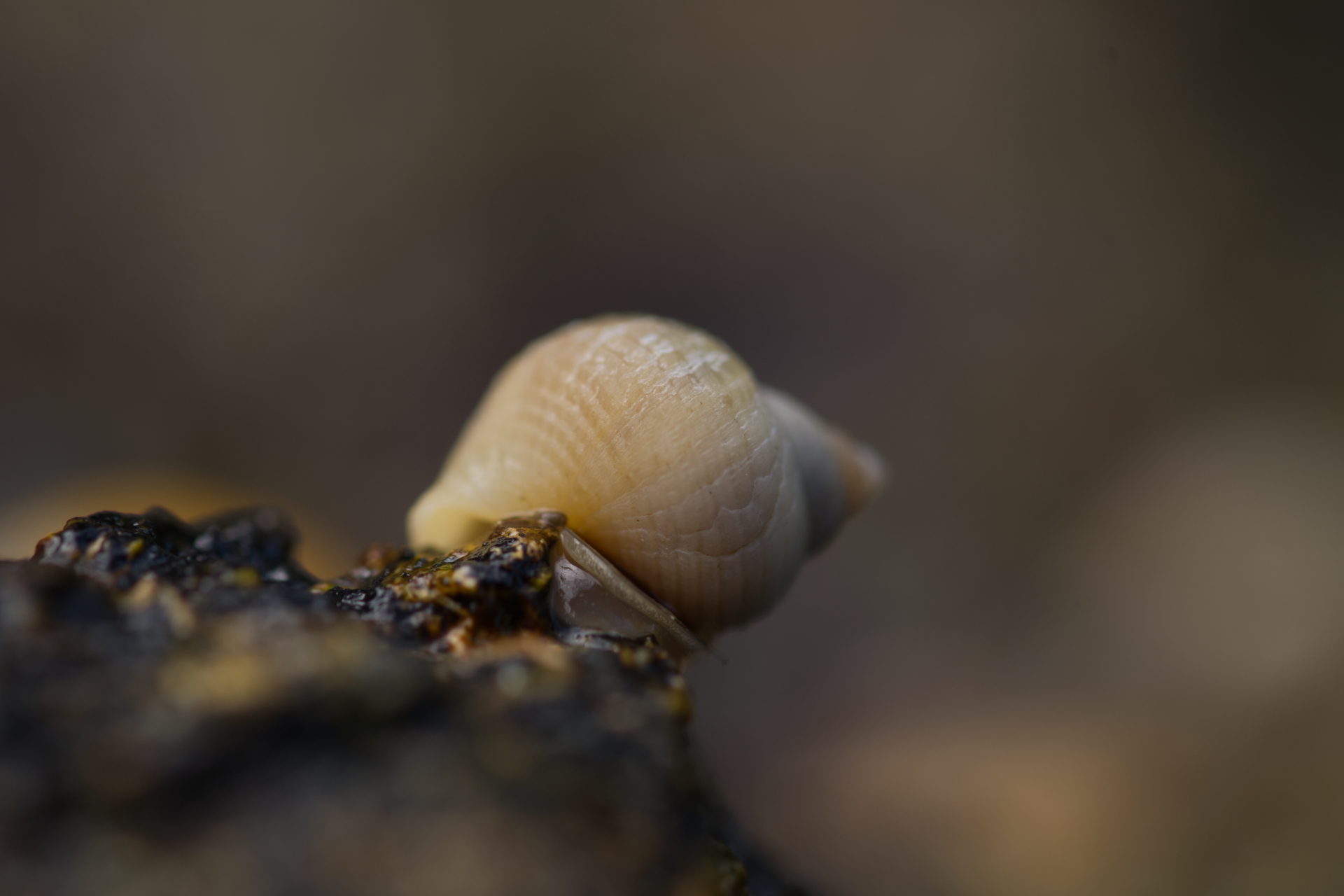
Comprehensive phenotypic surveys establish baselines for shell colour clines, chromosomal variants, and physiological traits across gradients. This represents a fundamental step for future causal inference.
Shell colour and morphology: Resample L. saxatilis estuarine sites vs. historical data (50+ years) using spectrometry for objective quantification.
Chromosomal variation: Karyotype N. lapillus populations to map 26/36 races and intrapopulation polymorphism.
Physiological traits: Measure thermal tolerance and behavioural thermoregulation along clines.
Test ultimate causes
Testing through field and lab experiments allows us to dissect drivers and evaluate hypotheses like apostatic selection, habitat crypsis, mate choice, or plasticity.
- Predation and crypsis: Test apostatic selection and background matching with predator exposure experiments.
- Mate choice: Quantify assortative mating by color/karyotype in natural pairs and lab trials.
- Genomic associations: Scan for linkage to inversions or QTLs via population resequencing.
Evolutionary consequences
Comparative analyses between polymorphic and monomorphic populations quantify impacts on fitness and resilience, informing conservation amid climate change.
-
Genomic effects: Compare heterozygosity, inversion frequency, and drift signatures between polymorphic/monomorphic sites.
-
Fitness and persistence: Model polymorphism effects on population fitness, niche breadth, and extinction risk.
-
Climate adaptation: Link color/physiology clines to thermal stress tolerance and behavioral flexibility under warming scenarios.
The project integrates descriptive surveys, manipulative experiments, and genomics to reveal universal patterns in polymorphism evolution across taxa.
Results
Publications
Below, you can find the scientific works generated by this project
Temporal stability and directional change in a color cline of a marine snail from NW Spain
Gefaell, J., González-Vazquez, H., Galindo, J., & Rolán-Alvarez, E. Current Zoology, 2023.
Experimental evidence of mate choice as the driving mechanism behind negative assortative mating for shell colour in a marine snail
Gefaell, J., Vigo, R., Galindo, J., & Rolán-Alvarez, E. Biological Journal of the Linnean Society, 2024.
The role of contextual and individual factors in male mate choice for size in a marine snail
Lau, S. L. Y., Gefaell, J., Williams, G., & Rolán-Alvarez, E. Animal Behavior, 2025.
Does differential predation of Littorina saxatilis colour morphs contribute to the maintenance of a colour cline? Insights from a field tethering experiment
Gefaell, J., Vigo, R., & Rolán-Alvarez, E. Journal of Molluscan Studies, 2025.
Shell color polymorphisms in marine gastropods
Gefaell, J., Galindo J., & Rolán-Alvarez, E. Evolutionary Applications, 2022.
Phenotypic and genetic differentiation between two chromosomal taxa of the gastropod Nucella lapillus at Galician rocky shores
García-Souto, D., Fernández-Rodríguez, J., Pasantes, J.J., Rolán-Alvarez; E., Galindo, J. Current Zoology, 2025.
No evidence of colour-based microhabitat choice in a polymorphic marine snail
Vigo, R., Camesella, R., Pérez, C., Martínez-Mariño, V., Vidal-Capón, A., Gefaell, J., Galindo, J., & Rolán-Alvarez, E. Journal of Molluscan Studies, 2025
What is the contribution of thermal selection to the maintenance of a shell color cline in Littorina saxatilis
Vigo, R., Lau, S. L. Y., Gefaell, J., Galindo, J., Williams, G., Truebano, M., & Rolán-Alvarez, E. Marine Biology, 2026.
Acceptance of evolutionary theory among pre-service teacher students and in-service teachers in Ecuador
Torres-Muros, L., Sánchez-Robles, J. M., Pimentel, A. M., Moscoso, B., Bugallo, A., Achig, L., González, I., Agredo, H., Soria, A., Gijón, J., Botella, M., Linares, D., Linares, M., Gefaell J., & Rolán-Alvarez, E. Evolution: Education and Outreach, 2023.
Phenotypic divergence and genomic architecture between parallel ecotypes at two different stages of speciation in a marine snail
Raffini, F., De Jode, A., Johannesson, K., Faria, R., Zagrodzka, Z. B., Westram, A. M., Galindo, J., Rolán-Alvarez E. & Butlin, R. K. Molecular Ecology, 2025.
¿Es necesaria una nueva teoría sintética de la Evolución?
Gefaell, J., & Rolán-Alvarez, E. Chapter in Después de El origen de las especies. La teoría darwiniana, paradigma de hoy. Botella, M. C., Gijón M.K., & Gijón, J. (eds). Editorial de Granada. 2023.
Explore our work
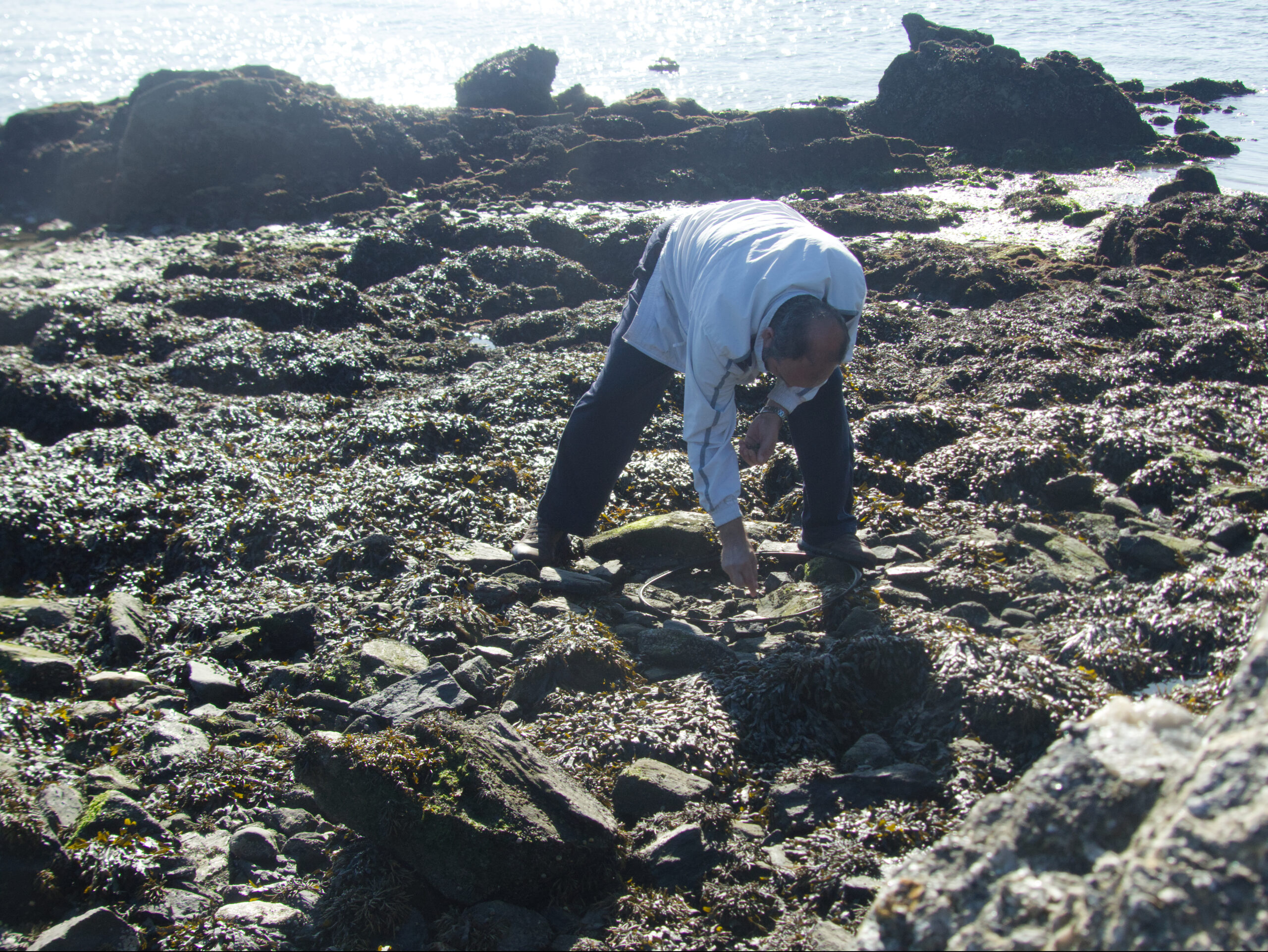
Polymorph Project Image Collection


Project Polymorph Team
Our team
Scientists and research partners from diverse institutions collaborate with us, pooling expertise on marine snail genomics, ecology, and evolution for shared discoveries in polymorphism and adaptation
Ramón Vigo
PhD Candidate
Evolutionary Genetics and Biodiversity Conservation group (XB2)
University of Vigo
Roger K. Butlin, PhD.
Principal Investigator
Animal and Plant Sciences
University of Sheffield, UK
Department of Marine Science at Tjärnö
University of Gothenburg, Sweden
Funding
Project PID2022-137935NB-I00 funded by MICIU/AEI /10.13039/501100011033 and by FEDER, UE
