
Singulargen Project
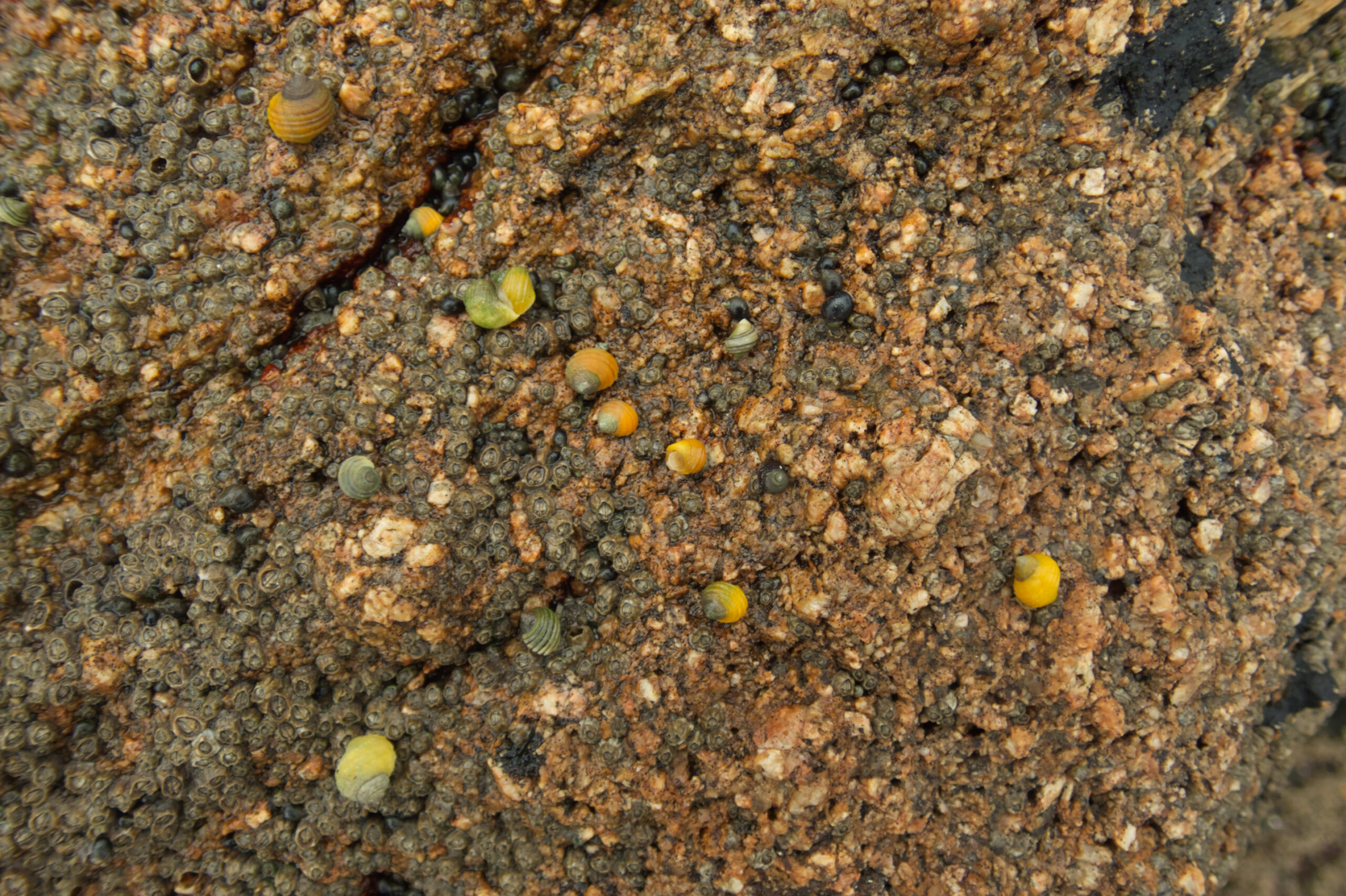
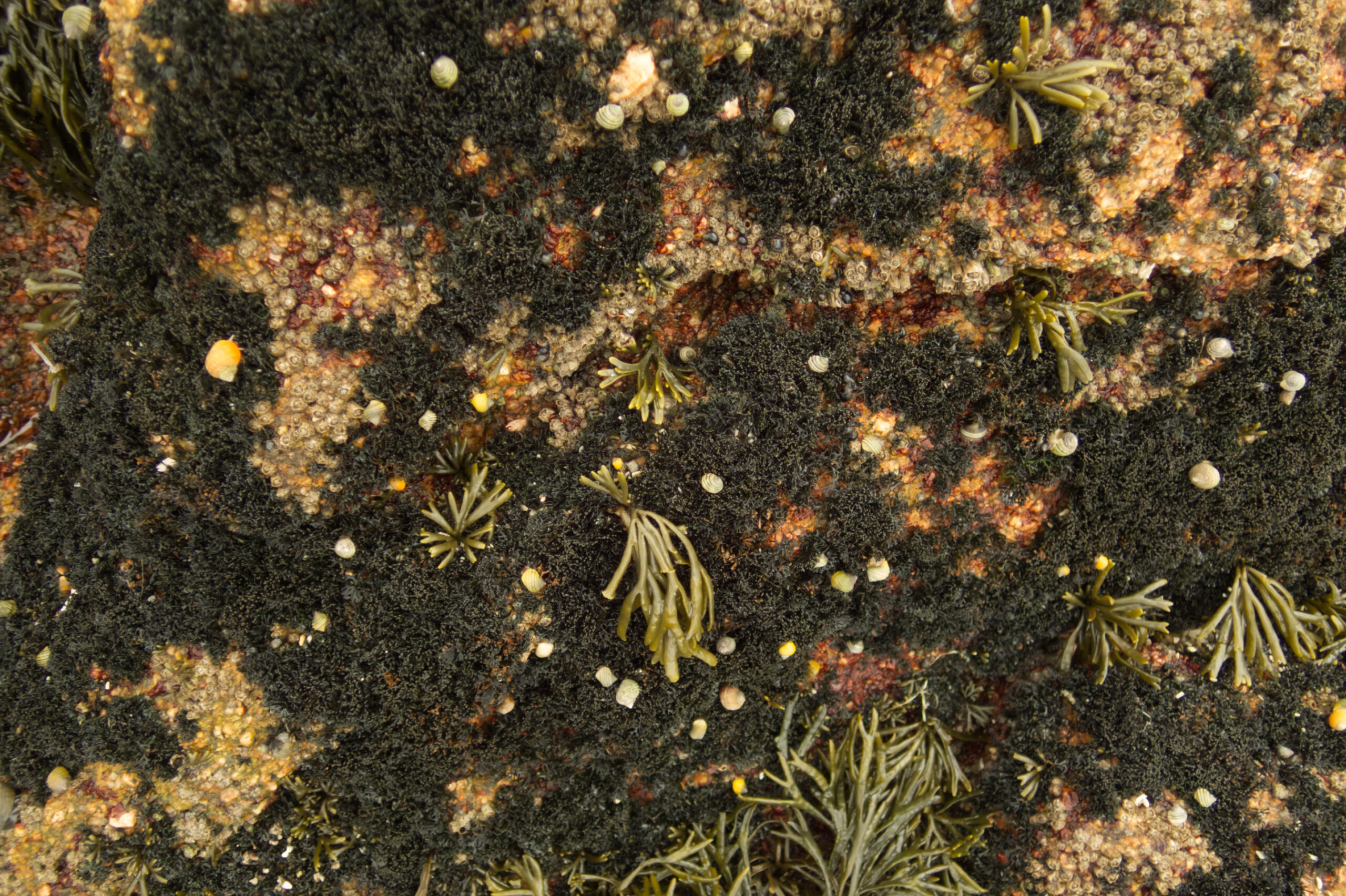
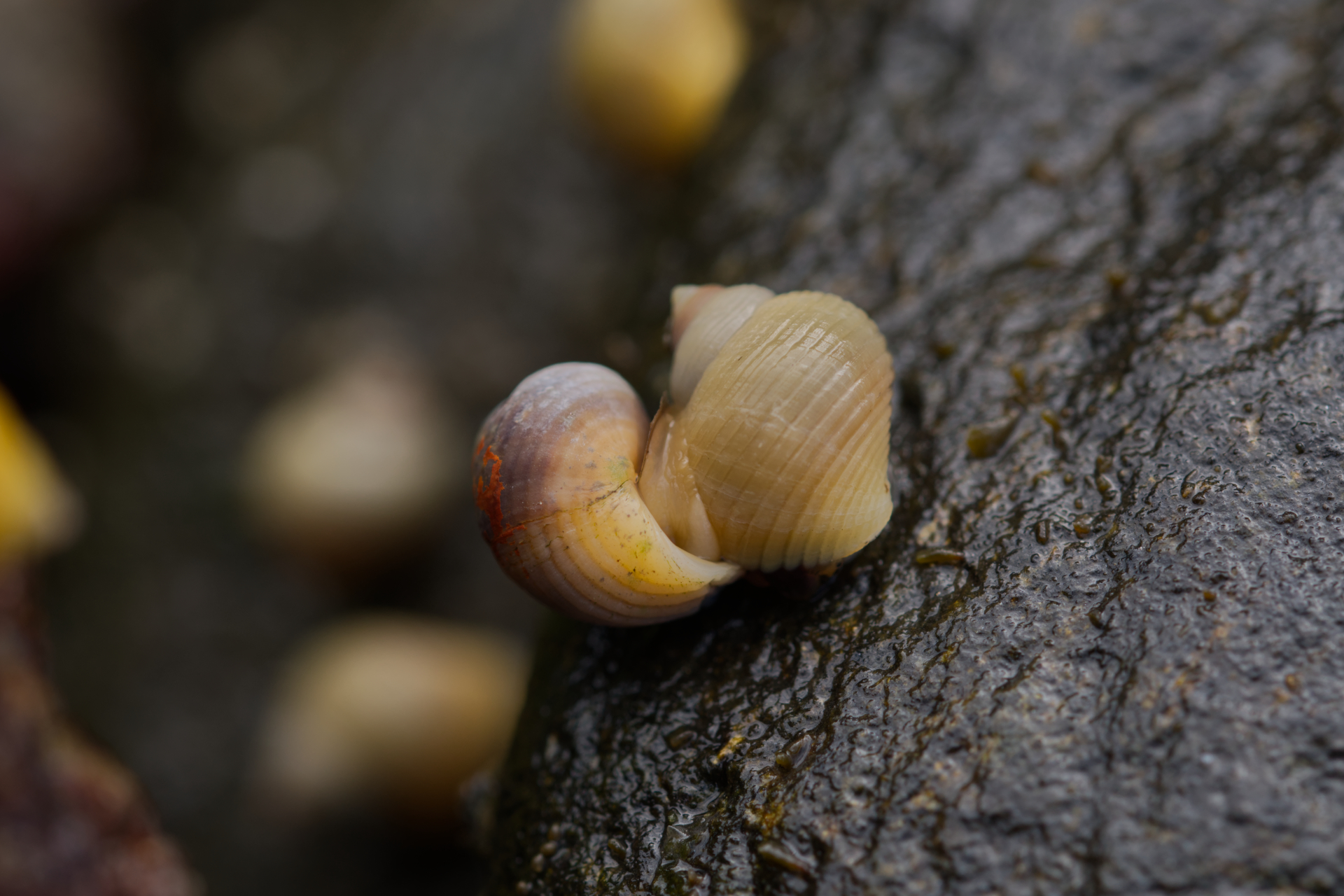
The SINGULARGEN project uses the marine snail Littorina saxatilis as a model to uncover the genomic basis of biodiversity, local adaptation, and resilience in singular coastal habitats of the Atlantic Islands of Galicia National Park. These islands likely acted as post-glacial refugia and host unique ecotypes, including a recently described, apparently endemic lagoon ecotype in “Lagoa dos Nenos” that may have evolved within the last ~200 years.
Our purposes
The project investigates how genomic variation underpins the uniqueness of L. saxatilis populations and ecotypes in the Atlantic Islands compared with nearby continental shores, asking which genome regions and genes make these insular populations singular. By combining population genomics, detailed habitat description, phenotype characterization, and demographic inference, the project seeks to understand how recent local adaptation, glacial history, and limited gene flow have shaped endemic diversity and to assess the long-term conservation prospects of this lagoon ecotype.
Genomic singularity and ecotypes
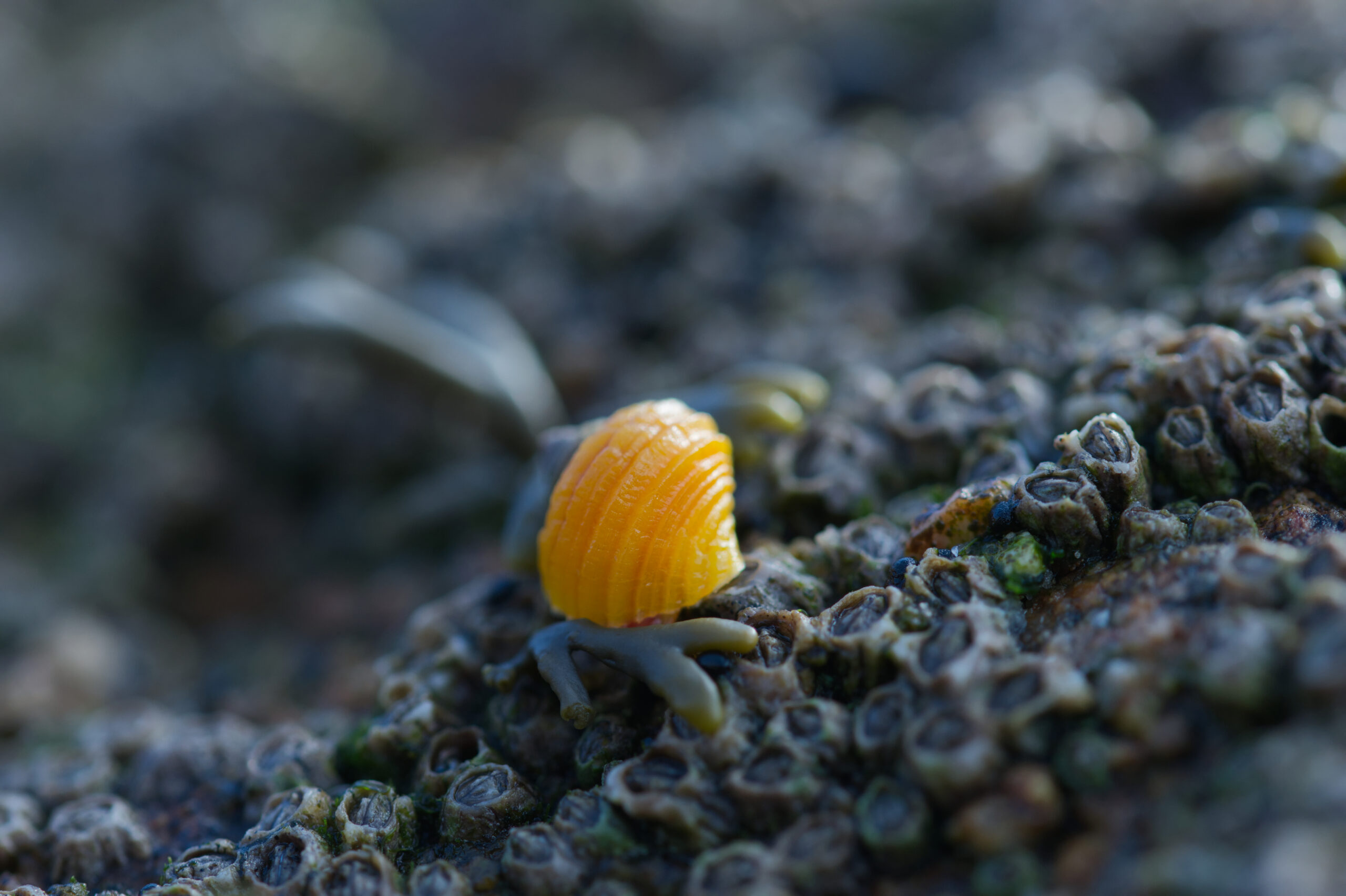
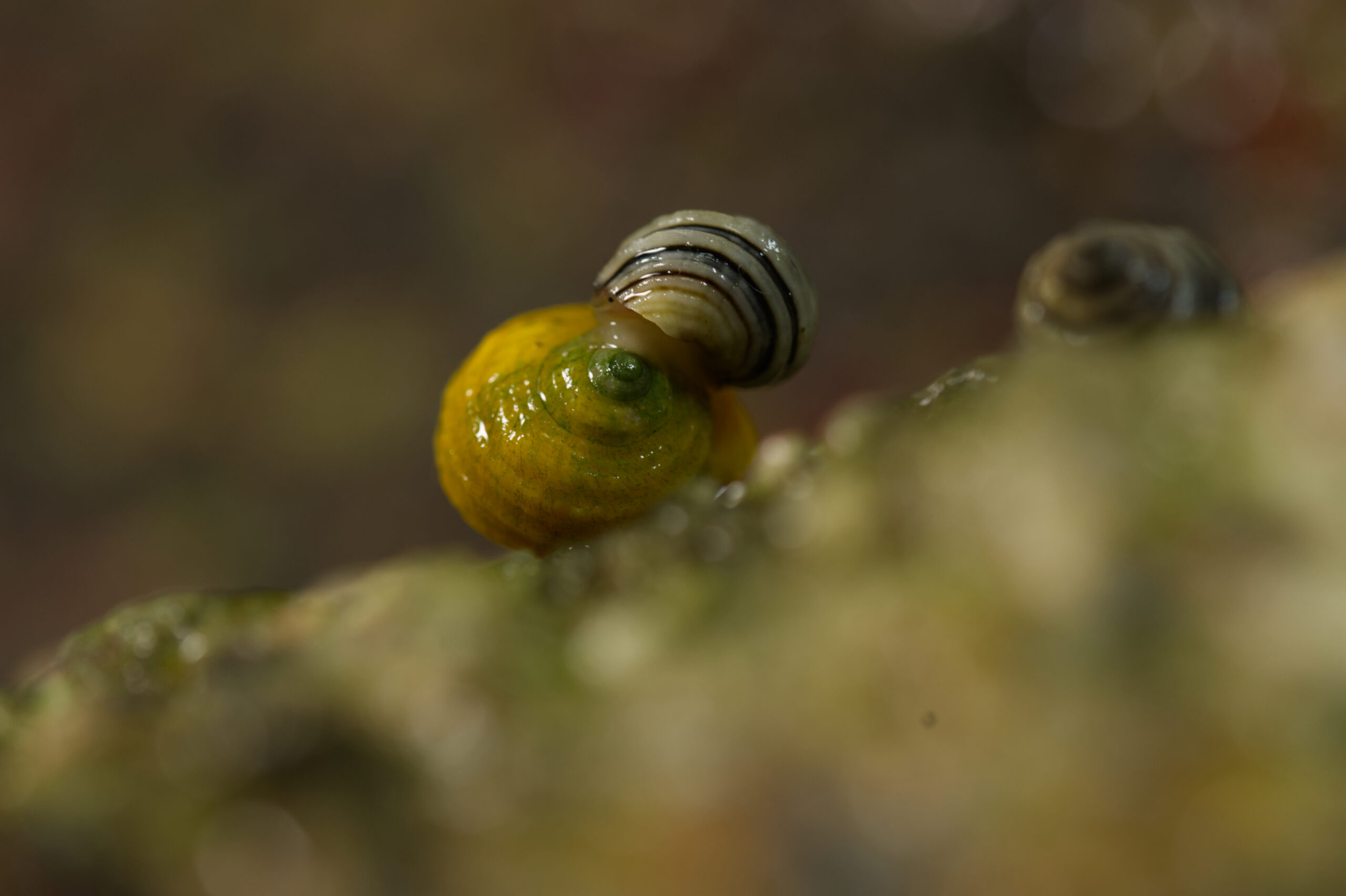
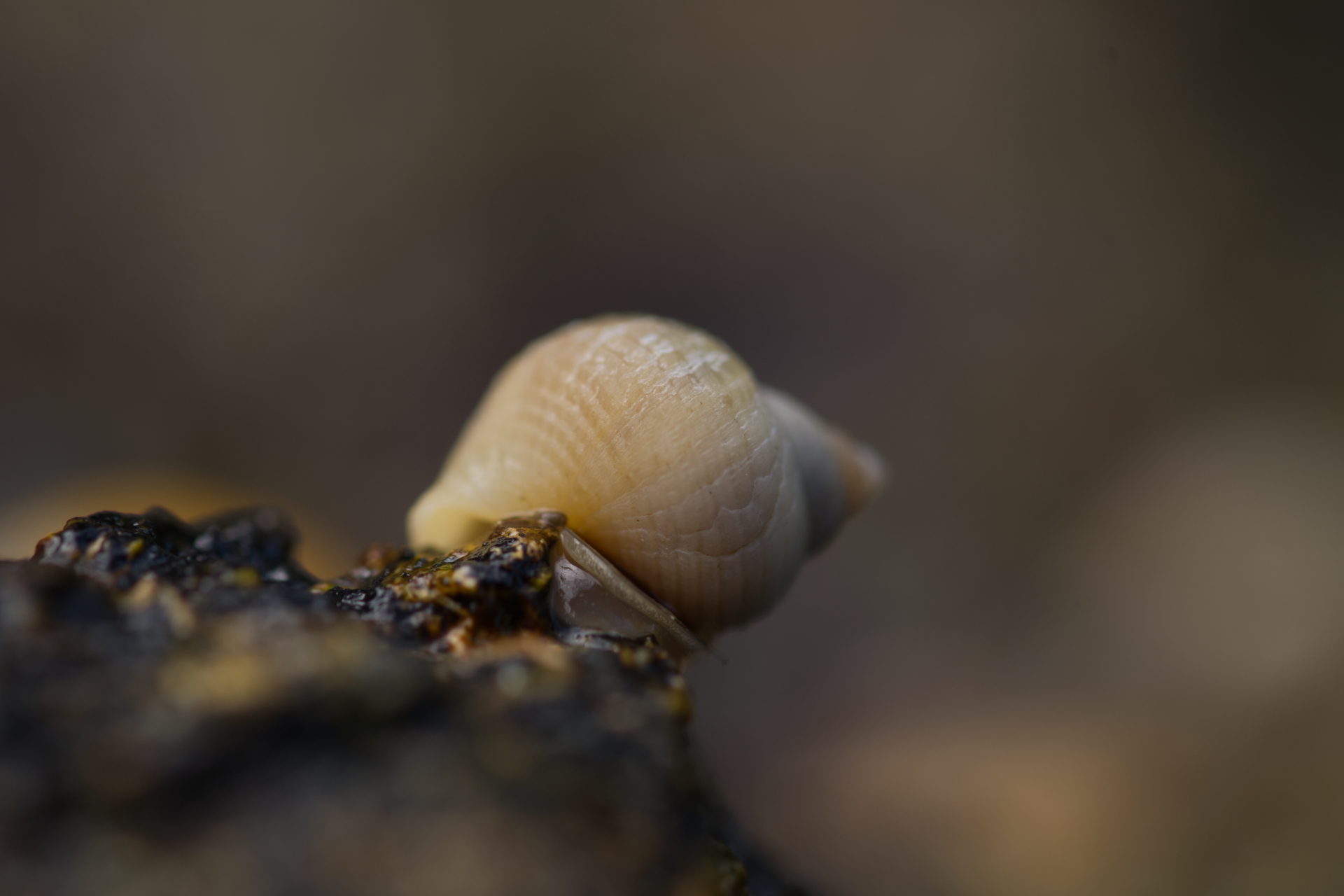
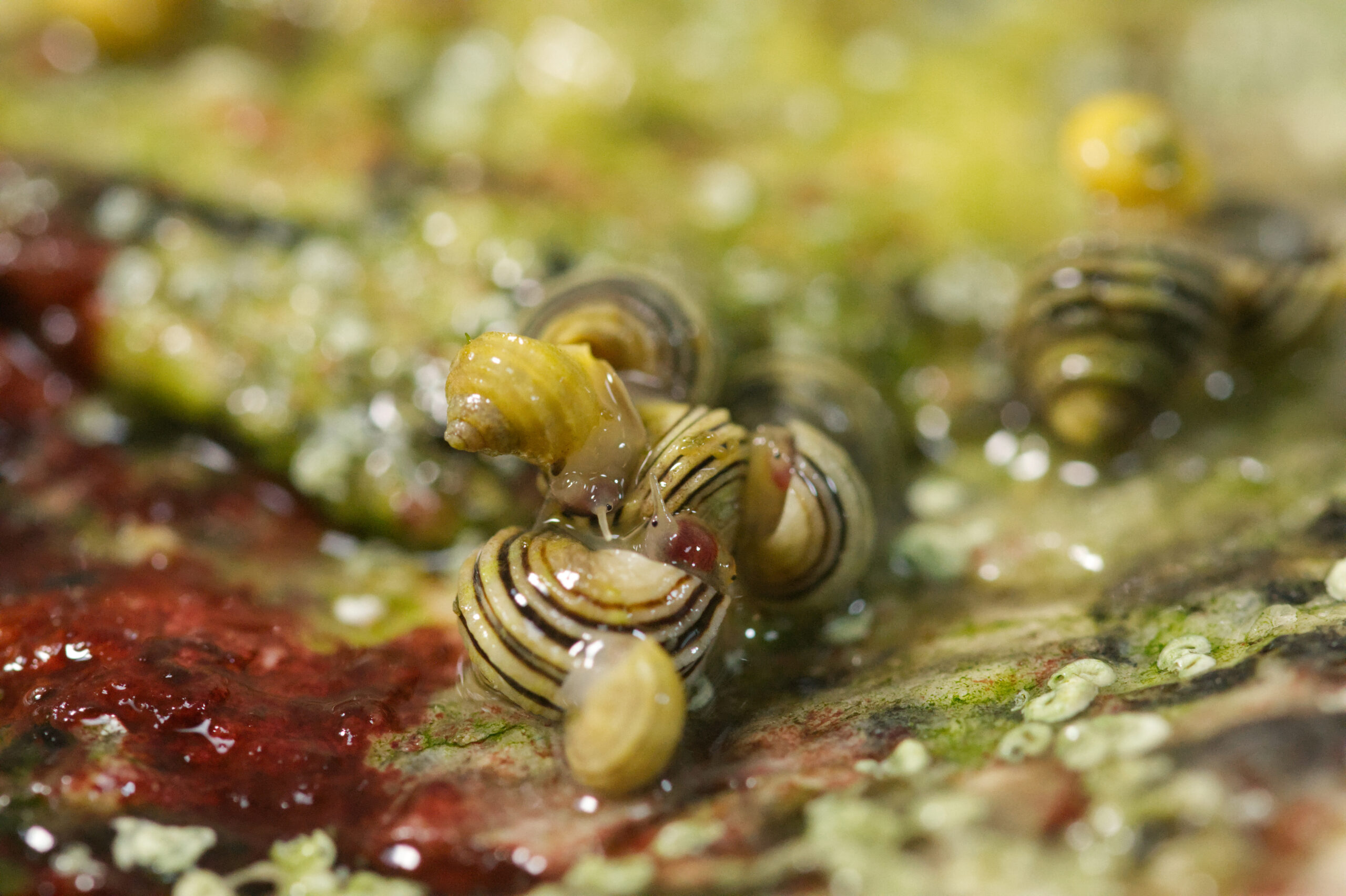
The project characterises the genomic architecture of the Crab, Wave, Crab+ and Cíes ecotypes of Littorina saxatilis within the Atlantic Islands of Galicia. By comparing pooled whole‑genome data from insular and nearby continental populations, it seeks to identify the genome regions and structural features that make these island ecotypes evolutionarily singular.
Local adaptation in a unique lagoon
SINGULARGEN examines the Cíes lagoon ecotype as a recent, possibly <200‑year‑old case of local adaptation in a small, isolated habitat. Detailed habitat mapping, phenotypic and physiological assays aim to link the distinctive environment of “Lago dos Nenos” with the traits and genomic variants that underpin its putative endemic status.
Demography, resilience and conservation
The project infers the historical effective population size of the lagoon ecotype and compares it with nearby Crab populations to evaluate inbreeding, demographic bottlenecks, and extinction risk. By integrating demographic history with adaptive genomic variation, it assesses the resilience of this endemic population under future environmental change and informs conservation strategies within the National Park.
Results
Publications
Below, you can find the scientific works generated by this project
Research incoming!
Research incoming!
More research incoming!
Explore our work
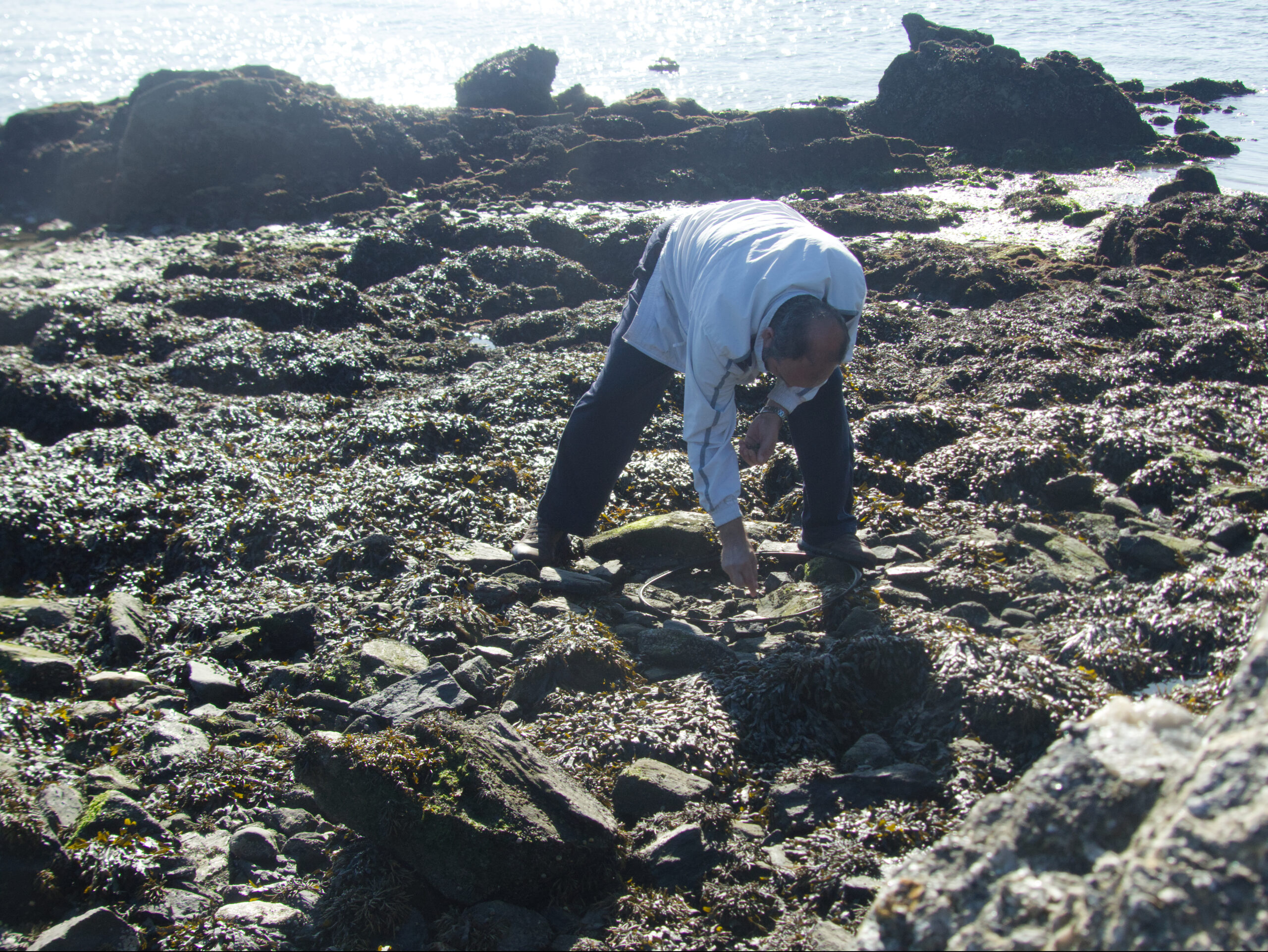
Singulargen Project Image Collection


Project Singulargen Team
Our team
Scientists and research partners from diverse institutions collaborate with us, pooling expertise on marine snail genomics, ecology, and evolution for shared discoveries in local adaptation to unique habitats
Ramón Vigo
PhD Candidate
Evolutionary Genetics and Biodiversity Conservation group (XB2)
University of Vigo
Roger K. Butlin, PhD.
Principal Investigator
Animal and Plant Sciences
University of Sheffield, UK
Department of Marine Science at Tjärnö
University of Gothenburg, Sweden
Funding
Project PID2022-137935NB-I00 funded by MICIU/AEI /10.13039/501100011033 and by FEDER, UE
