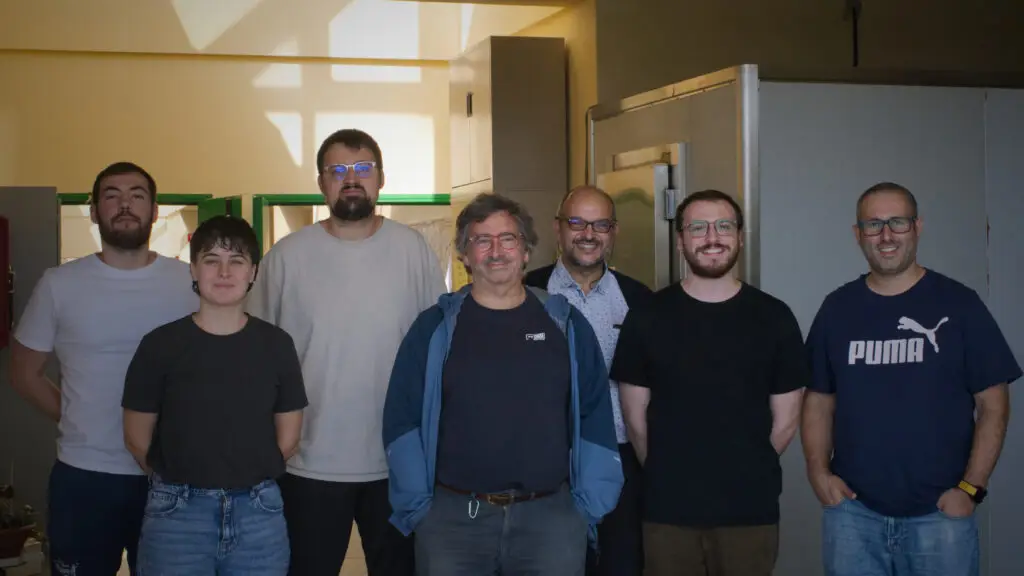
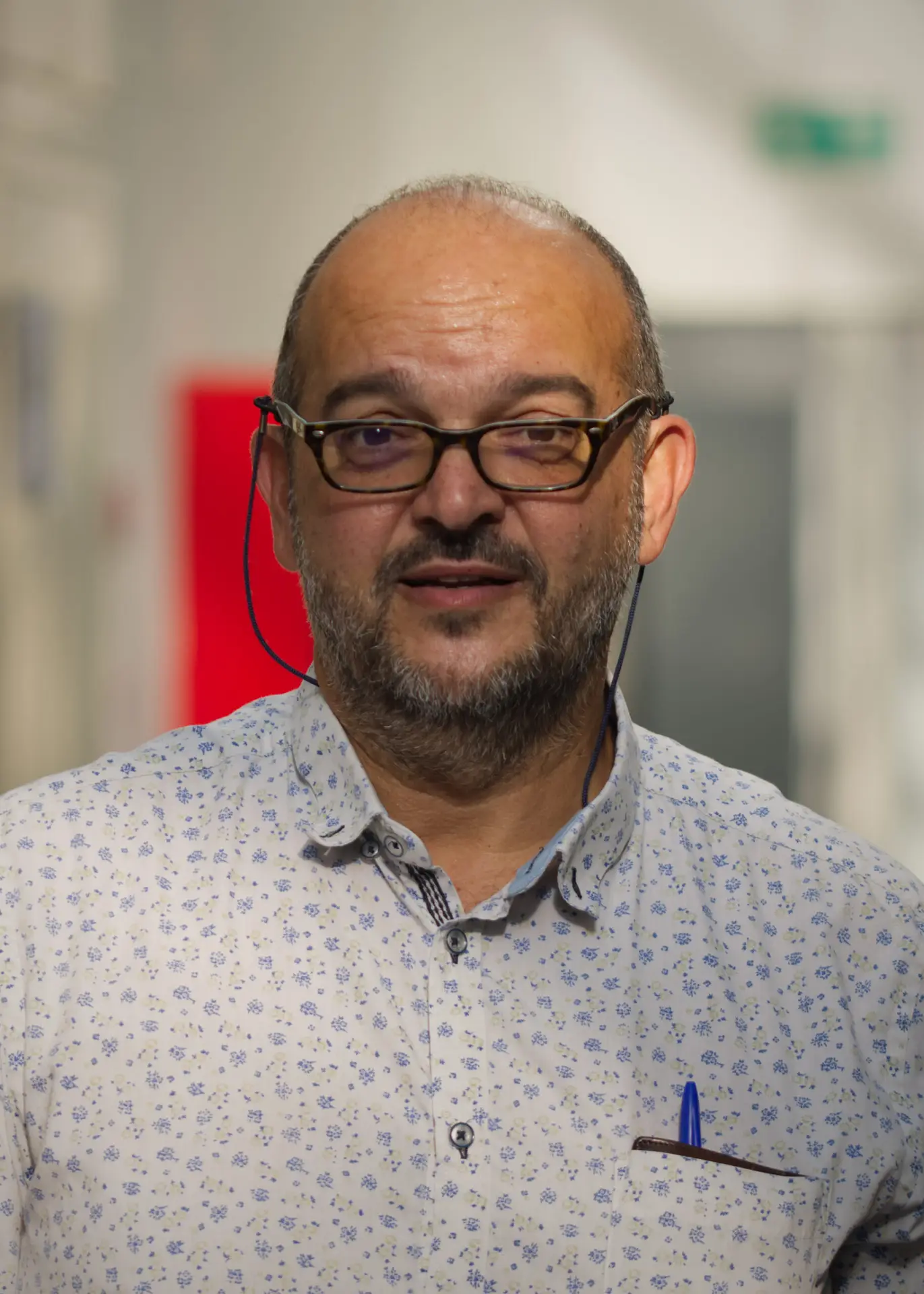
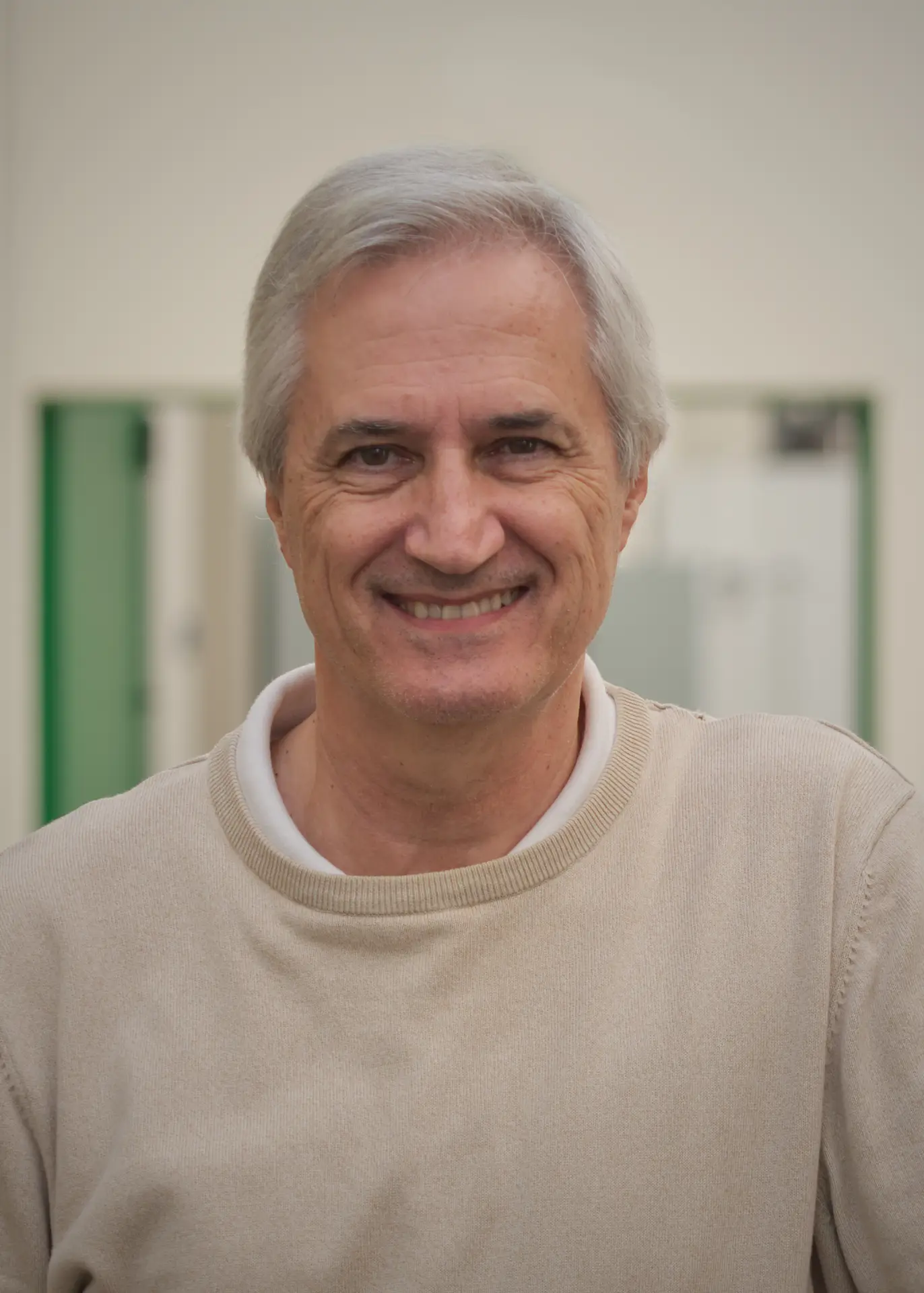
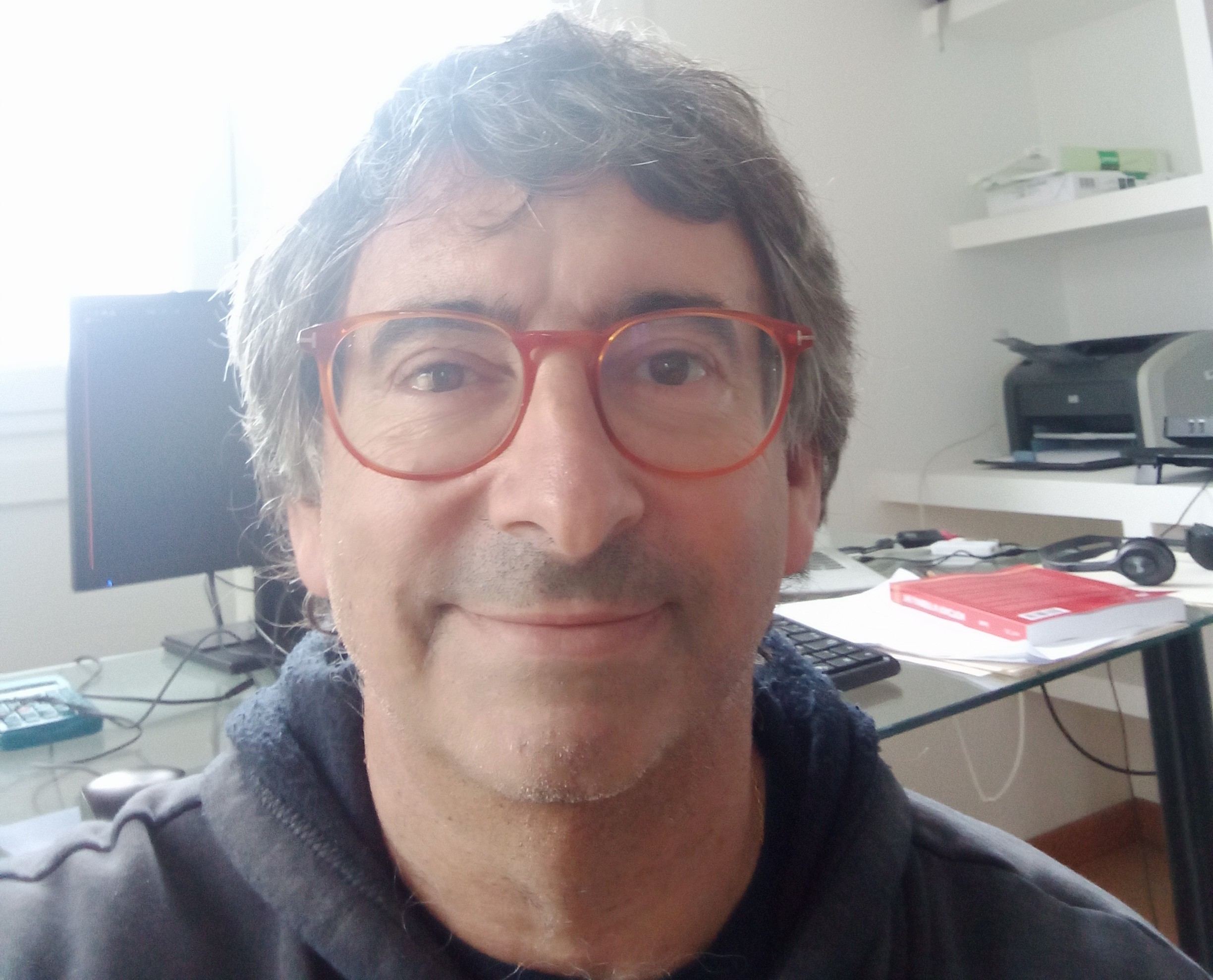
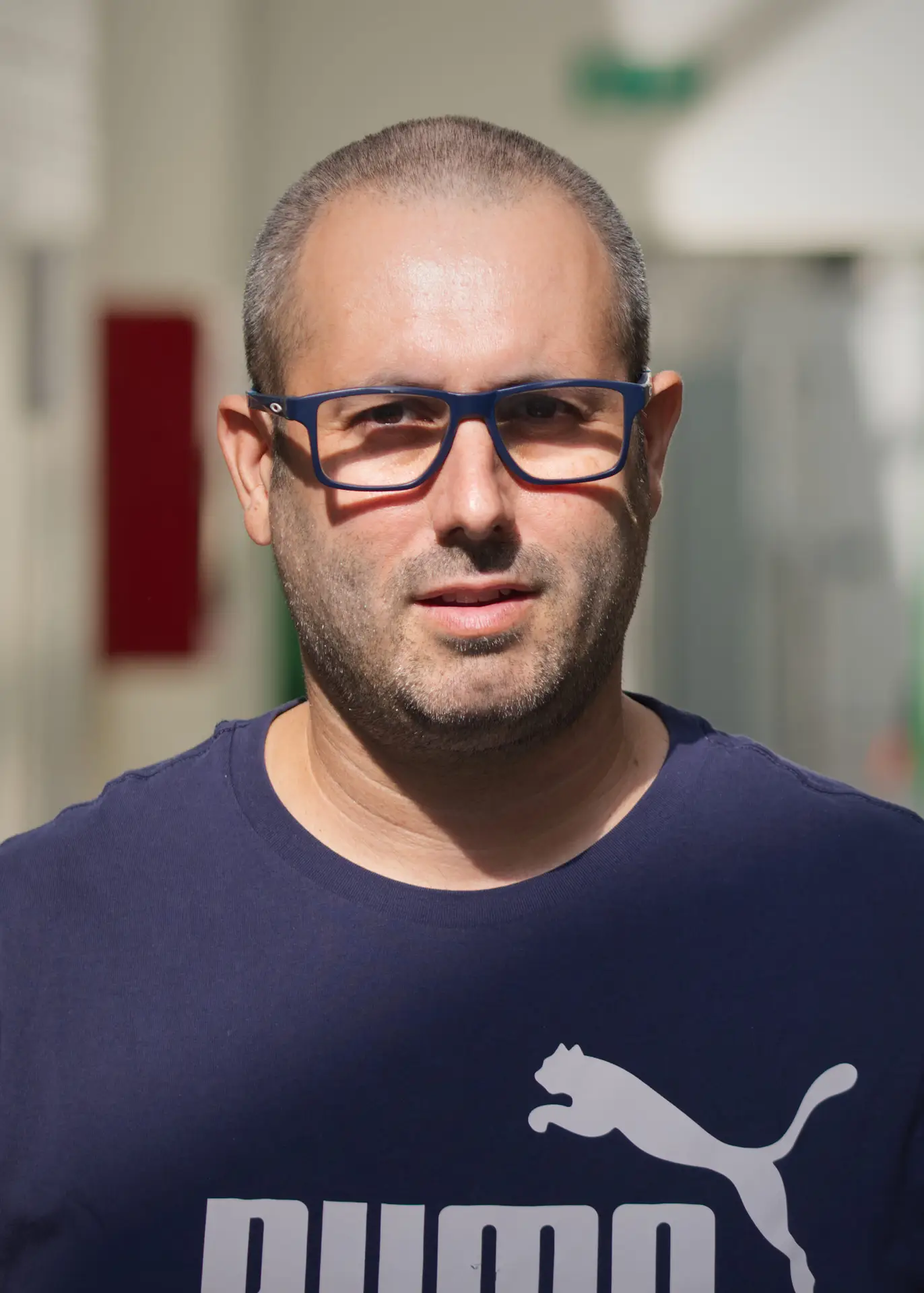
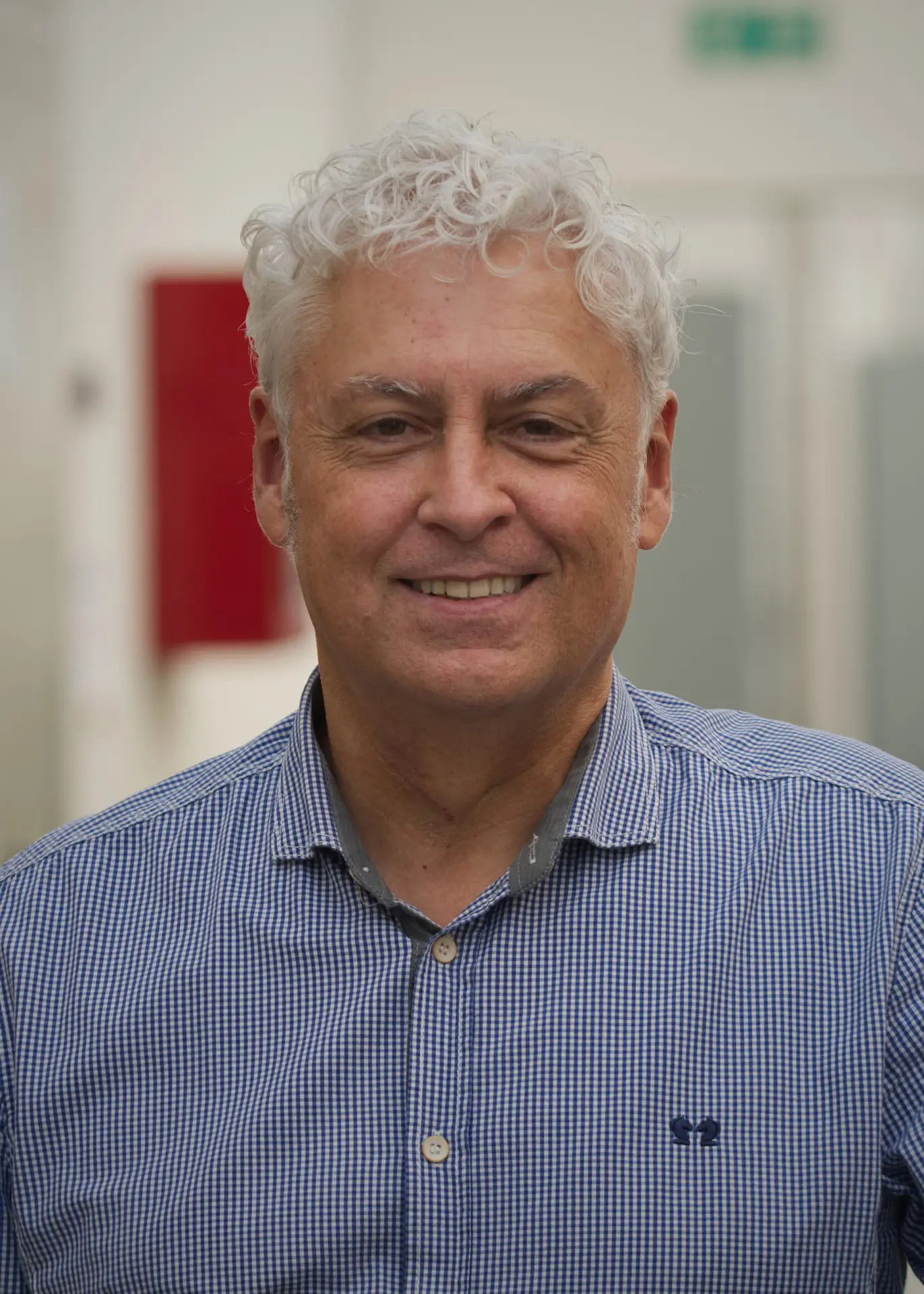
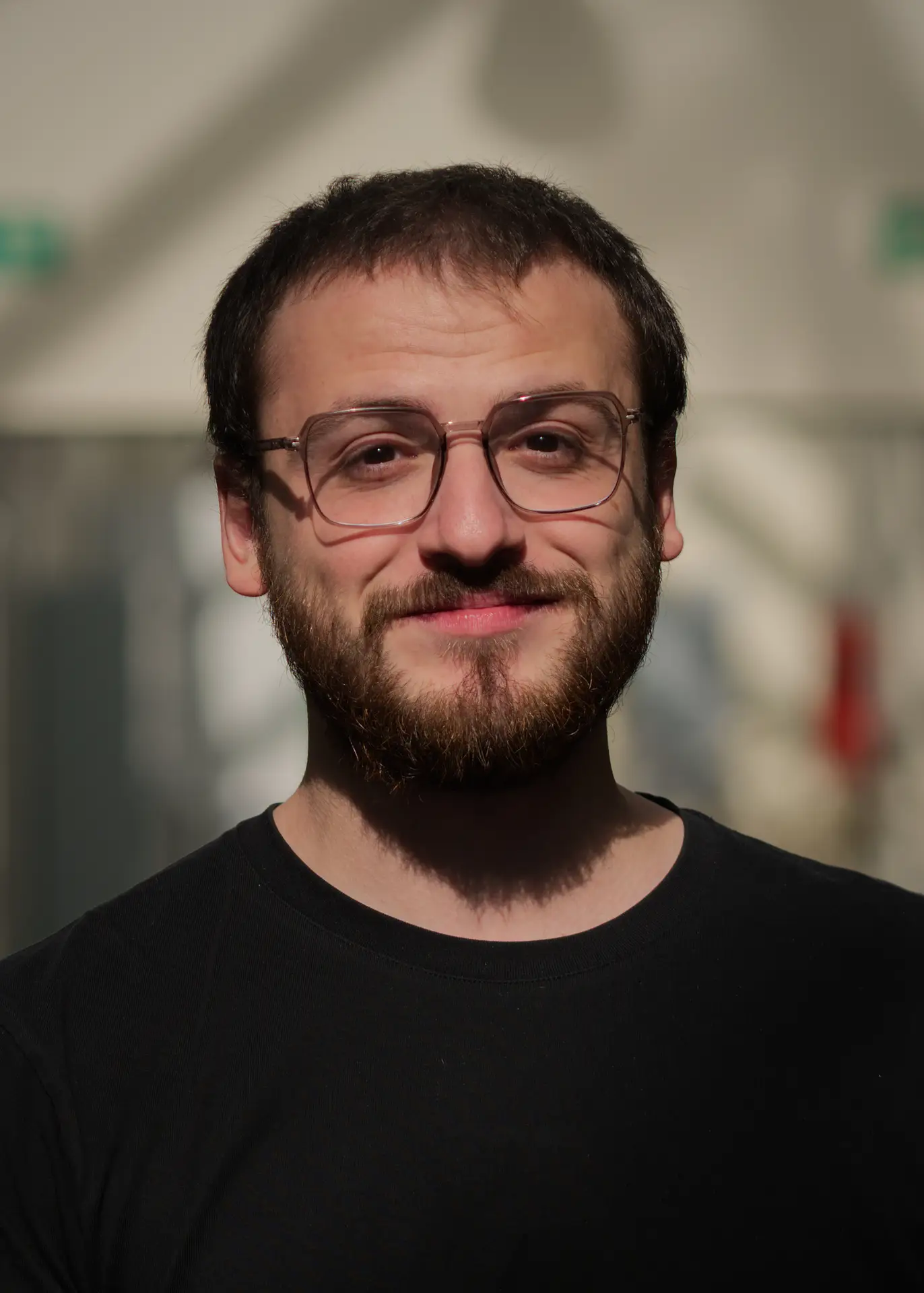
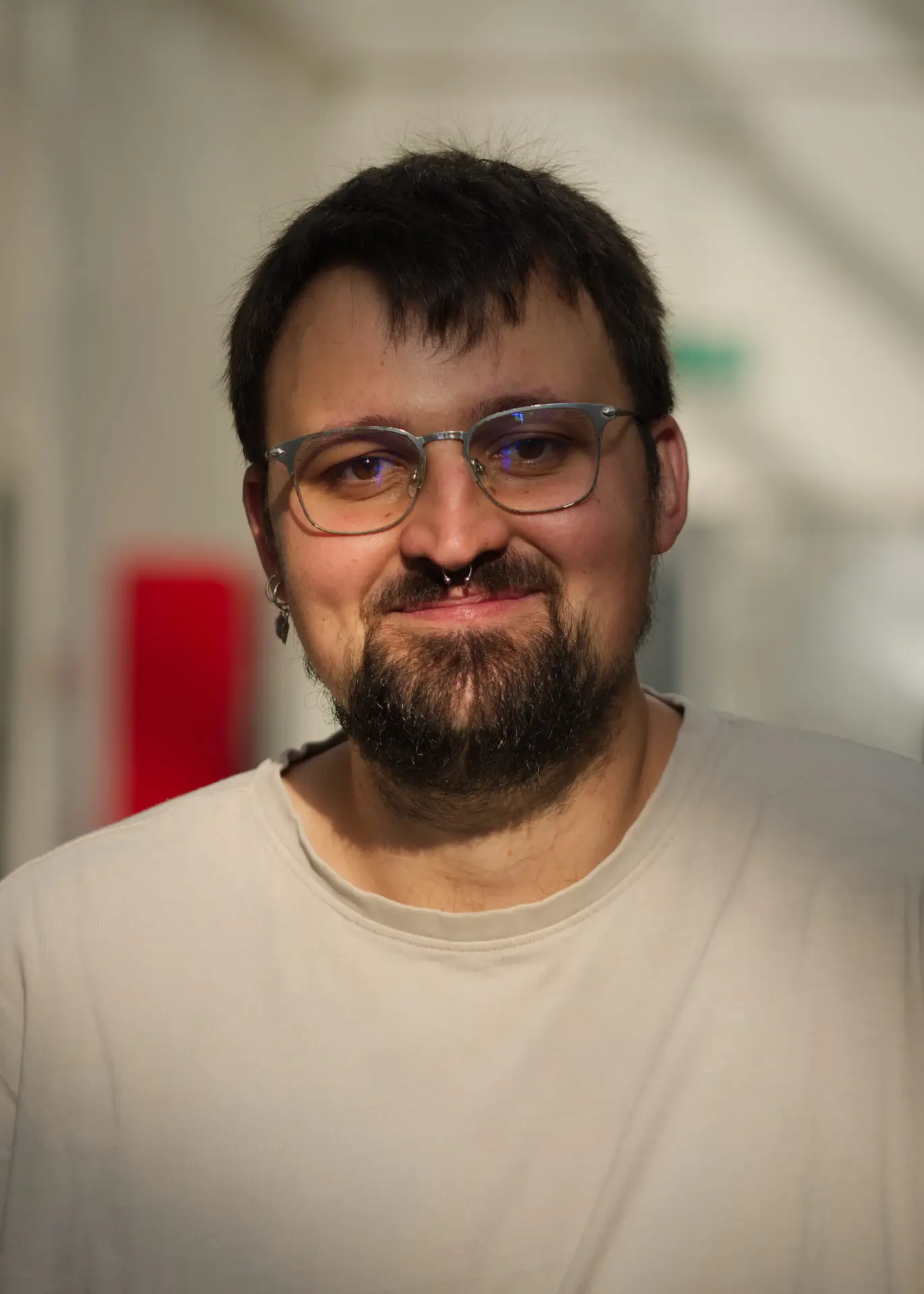
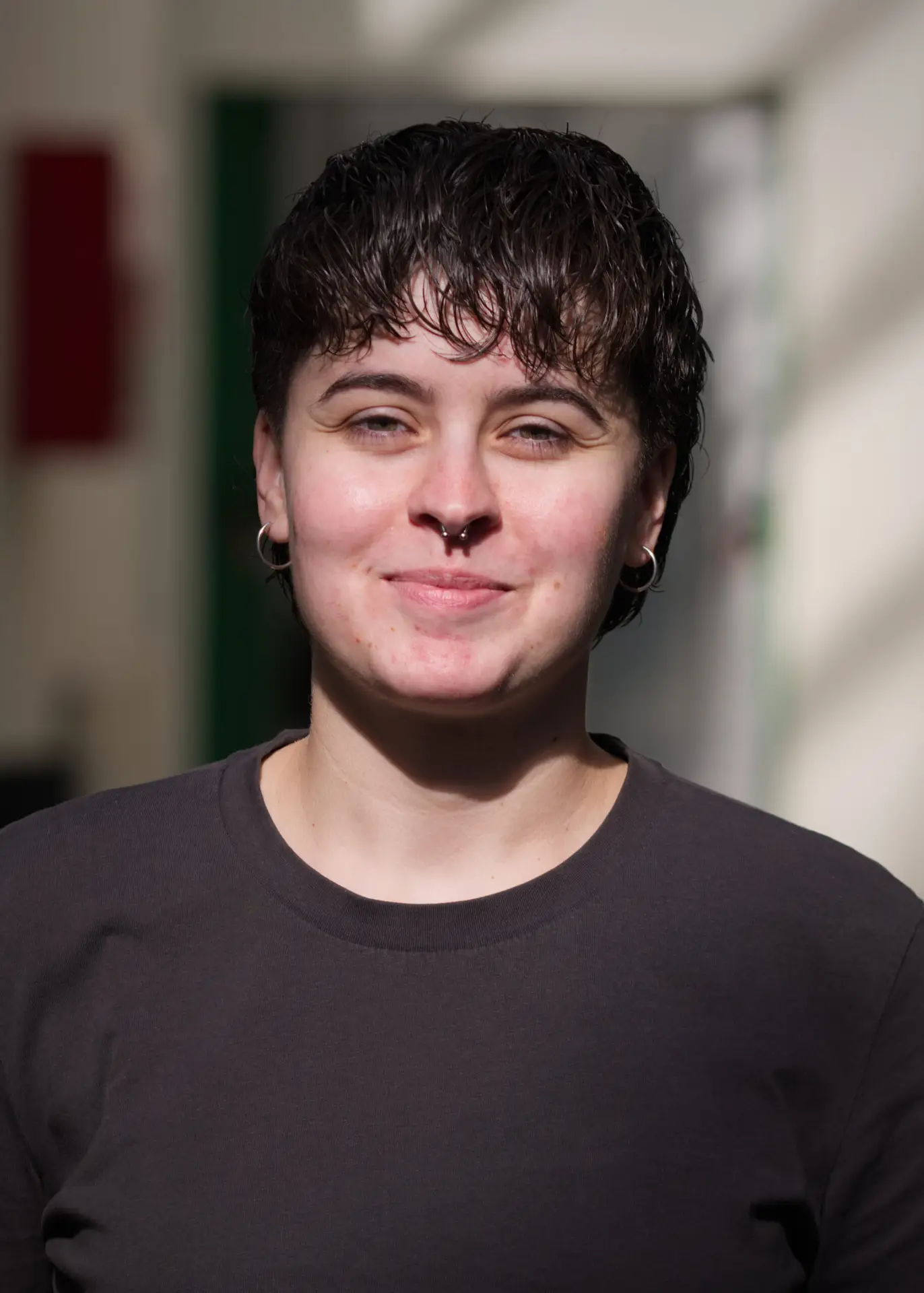
We are a team of evolutionary biologists, geneticists, and conservation specialists dedicated to uncovering how organisms evolve, adapt, and diverge. Our collaborative research—spanning population genetics, ecological speciation, cytogenetics, and conservation biology—brings together diverse expertise to tackle fundamental questions about life’s complexity.
Emilio Rolán-Álvarez studies ecological speciation in the marine snail Littorina saxatilis, where two ecotypes—wave-adapted and crab-adapted morphs—have evolved reproductive isolation while occupying the same geographic regions. His research demonstrates that this sympatric divergence is driven by ecological adaptation to different shore microhabitats and differential predation, with reproductive isolation evolving as a by-product of ecological selection. He pioneered molecular approaches to understand how local selection maintains phenotypic polymorphisms and prevents gene flow across narrow hybrid zones on the Galician coast.
Armando Caballero Rúa specializes in population genetics and effective population size (Ne) estimation, developing linkage disequilibrium methods to estimate contemporary and historical Ne from high-density genetic markers. His research demonstrates that LD-based Ne estimates are robust against natural selection, making them reliable for inferring demographic history in complex genomic contexts. His work has major applications in conservation genetics, where accurate Ne estimates are critical for breeding programs and maintaining genetic diversity
Antonio Carvajal-Rodríguez applies information theory to evolutionary genetics, using Kullback-Leibler divergence to quantify sexual selection and assortative mating. He developed the QInfoMating framework, which enables precise assessment of mating preference strength for both discrete and continuous traits in a unified theoretical context. His approach reveals that sexual selection leaves measurable informational signatures that can be quantified as deviations from random mating.
Juan Galindo Dasilva work focuses on Littorina saxatilis hybrid zones, determining barriers to gene flow and their consequences on genomic architecture of ecotypes and reproductive isolation. His research combines behavioral approaches including mate choice with field data and lab crosses. He also leads research on the effects of structural variants karyotype evolution and ecological adaptation in Nucella lapillus.
Juan José Pasantes research is centered on genetics and genomics of marine organisms, particularly cytogenetics, repetitive elements, and genome evolution in molluscs and other invertebrates.
Jesus works are focused in remote sensing and satellite image analysis applied to marine environments, with a focus on harmful algal blooms and coastal oceanographic processes.
Ramón is supervised by Emilio Rolán and Juan Galindo. His work assesses the ultimate causes of clinal variation in color polymorphisms in Littorina saxatilis populations in the Galician Rías.
André is supervised by Juan Galindo and Daniel García. His work focuses on structural variation and its effects on gene flow and speciation in Nucella lapillus.
Victor is supervised by Juan Galindo and Antonio Carvajal and his work is focused on the Littorina saxatilis hybrid zone between Spanish ecotypes, mainly trying to identify barriers to gene flow and their possible underlying genomic architecture.
We are proud members of the Littorina Research Community, an international community of researchers working across multiple countries to advance our understanding of biodiversity evolution. Using marine snails of the genus Littorina as model systems, we conduct fieldwork on rocky shores, analyse snail traits in the lab, work with large DNA datasets, and develop theoretical models.
Evolutionary Genetics and Biodiversity Conservation group (XB2)
The Evolutionary Genetics and Biodiversity Conservation Group of Vigo University is one of the Reference Groups by The Xunta de Galicia (Spain).
The group, formed by about 20 researchers, develops a number of research lines addressing evolutionary issues (speciation, molecular evolution), genetic characterisation of species of commercial interest, development of informatics tools for the analysis of DNA and the design and management of conservation programmes.
Paloma Morán, PhD.
Full Professor
Fish genetics, genome complexity, chromosomal mapping in salmonids, population conservation genetics.