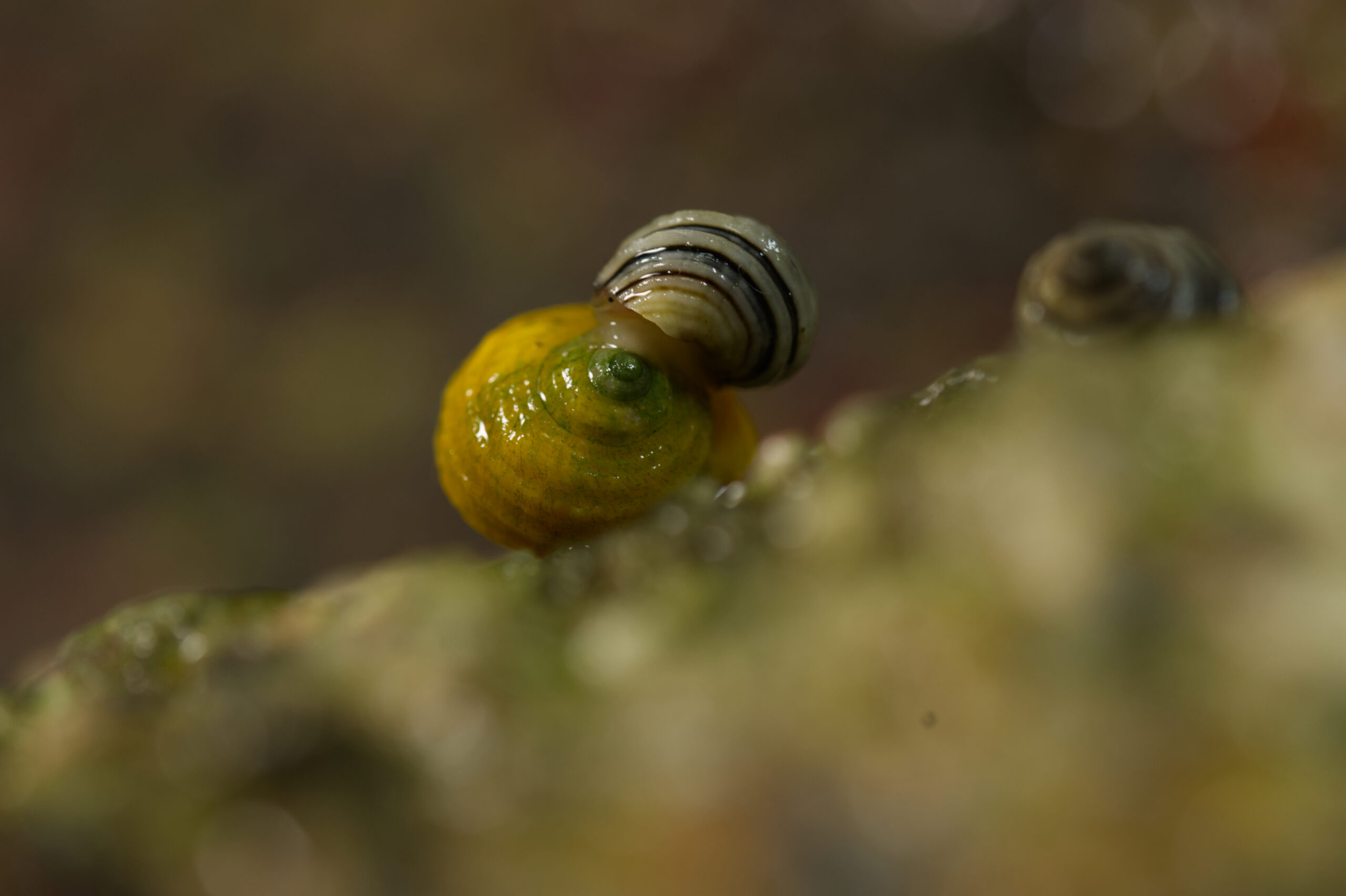
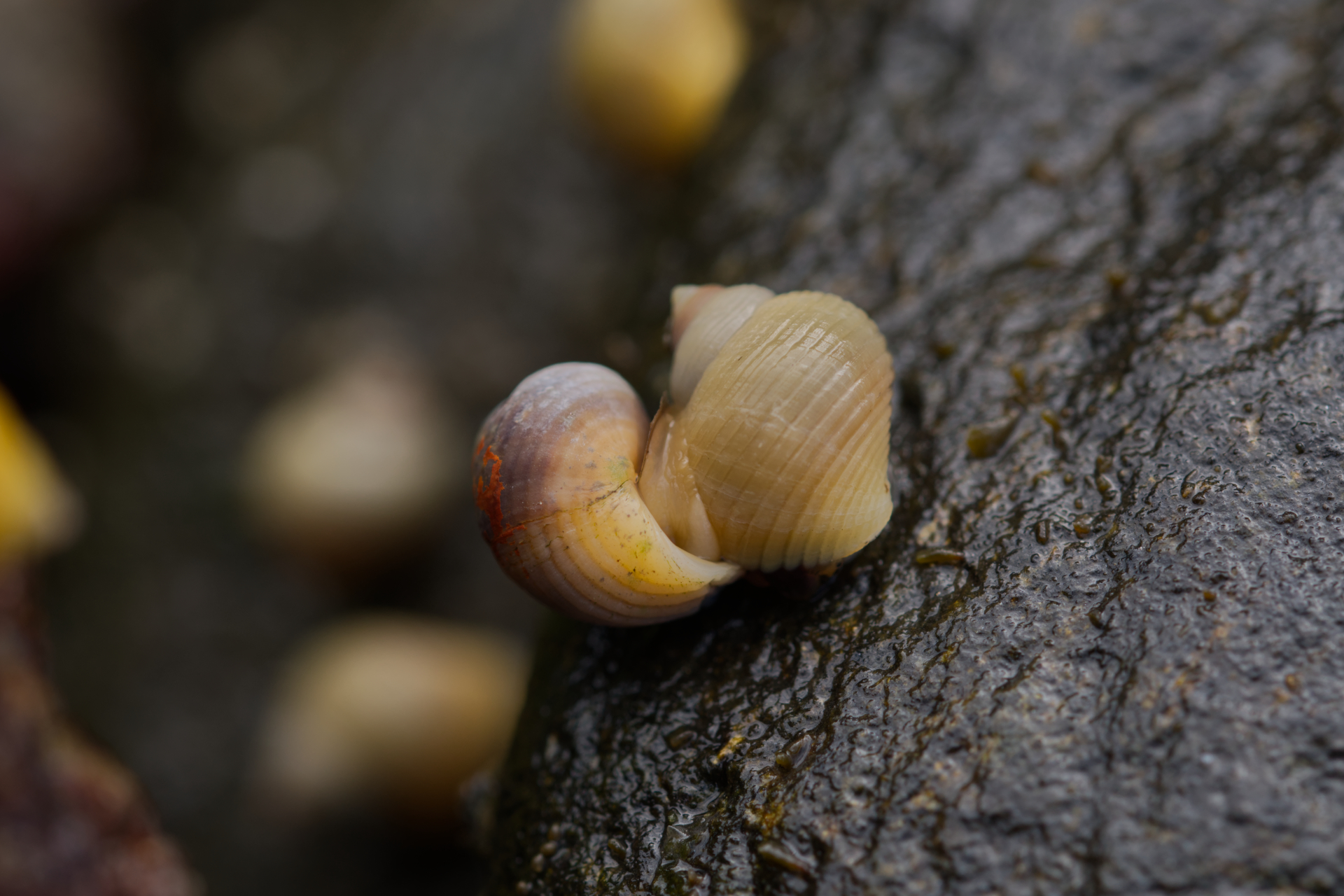
Welcome to SnailEvoLab, where we investigate fundamental questions in evolutionary biology using intertidal snails as our study systems. Our research examines how adaptive traits arise, evolve, and persist in natural populations – from the maintenance of color polymorphism clines and the influence of behavioral barriers to gene flow, to the genomic architecture underlying reproductive isolation and speciation. We are committed to advancing speciation genomics through collaborative science and knowledge exchange with the broader research community.
Welcome to SnailEvoLab. We investigate how adaptive evolution operates in natural populations using intertidal snails as our study systems. Our research spans multiple scales: the origin and maintenance of adaptive traits, including color polymorphisms and clines; the genomic basis of adaptive divergence; and the evolution of reproductive barriers during speciation. We aim to advance the understanding of how adaptive evolution and reproductive isolation fundamentally shape the origins of biological diversity.
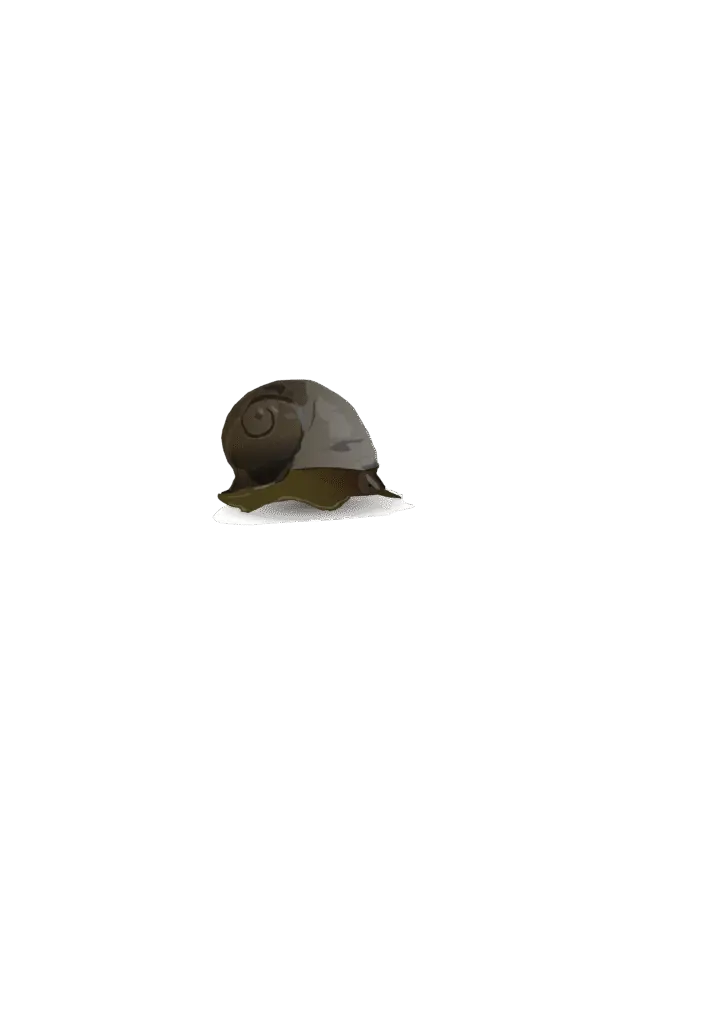
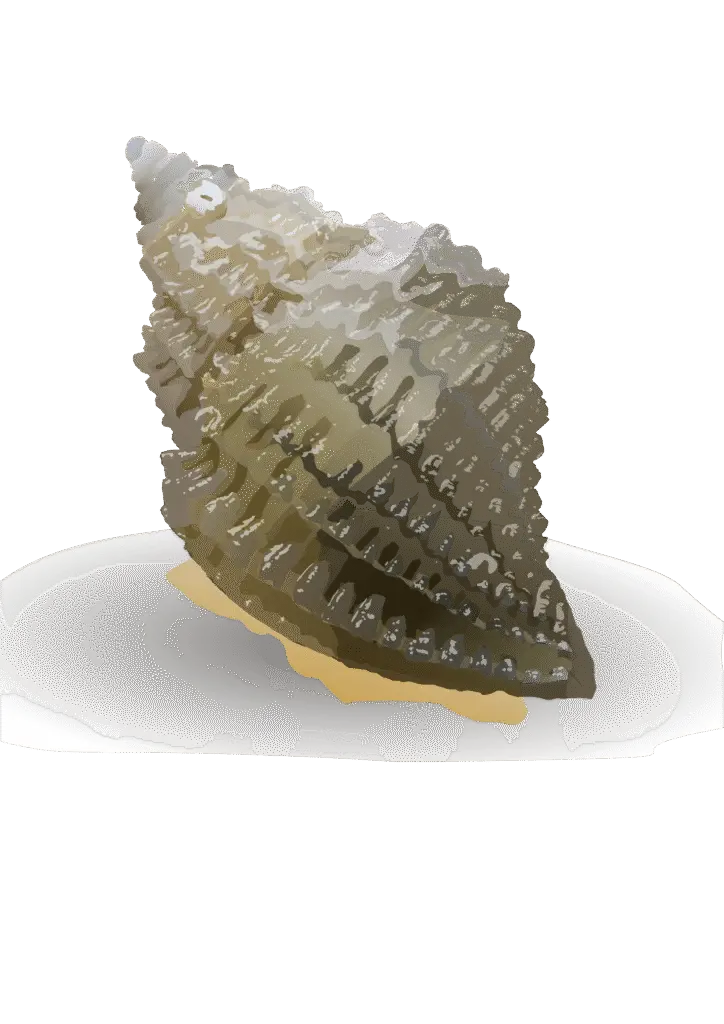
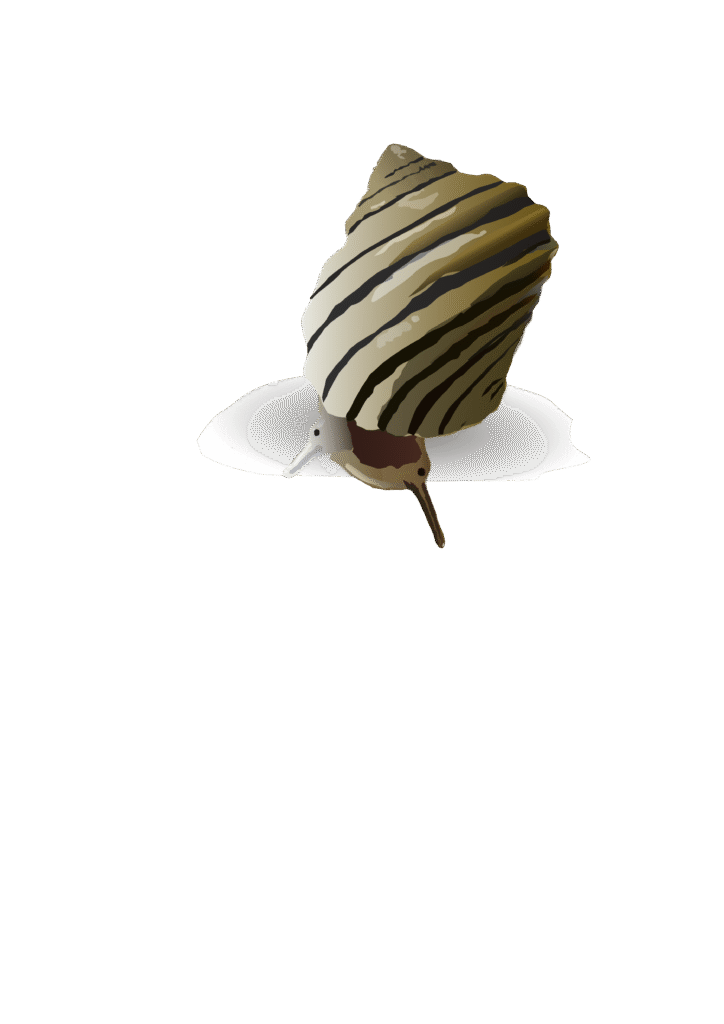
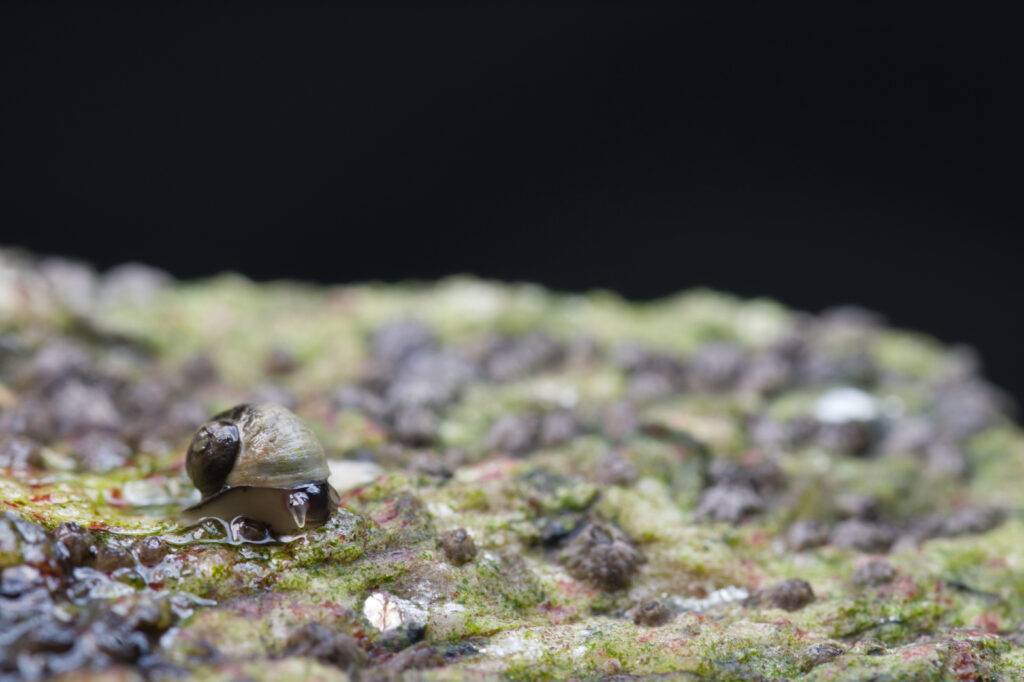
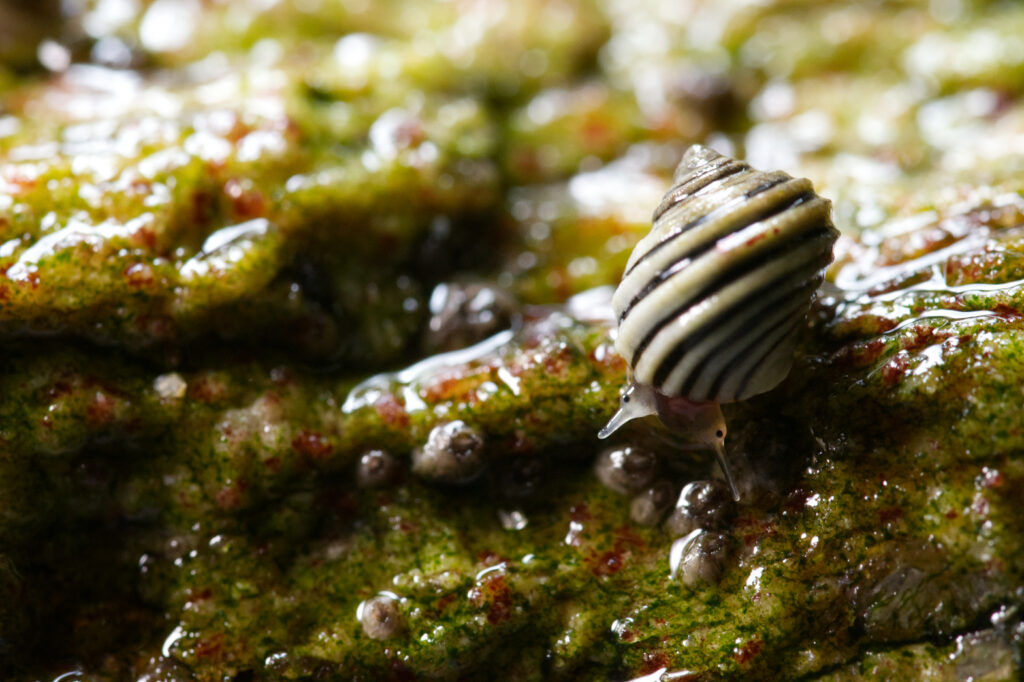
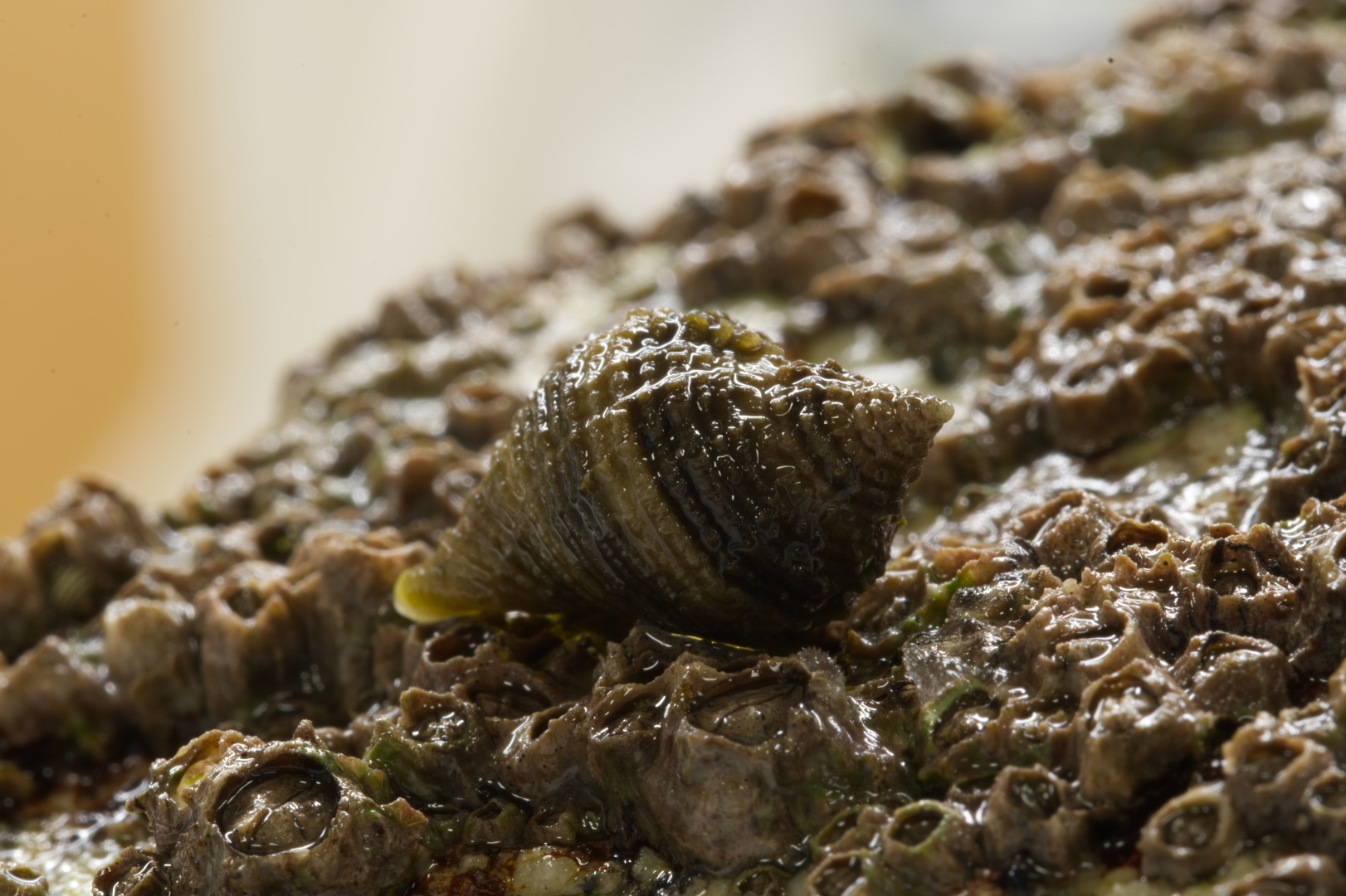
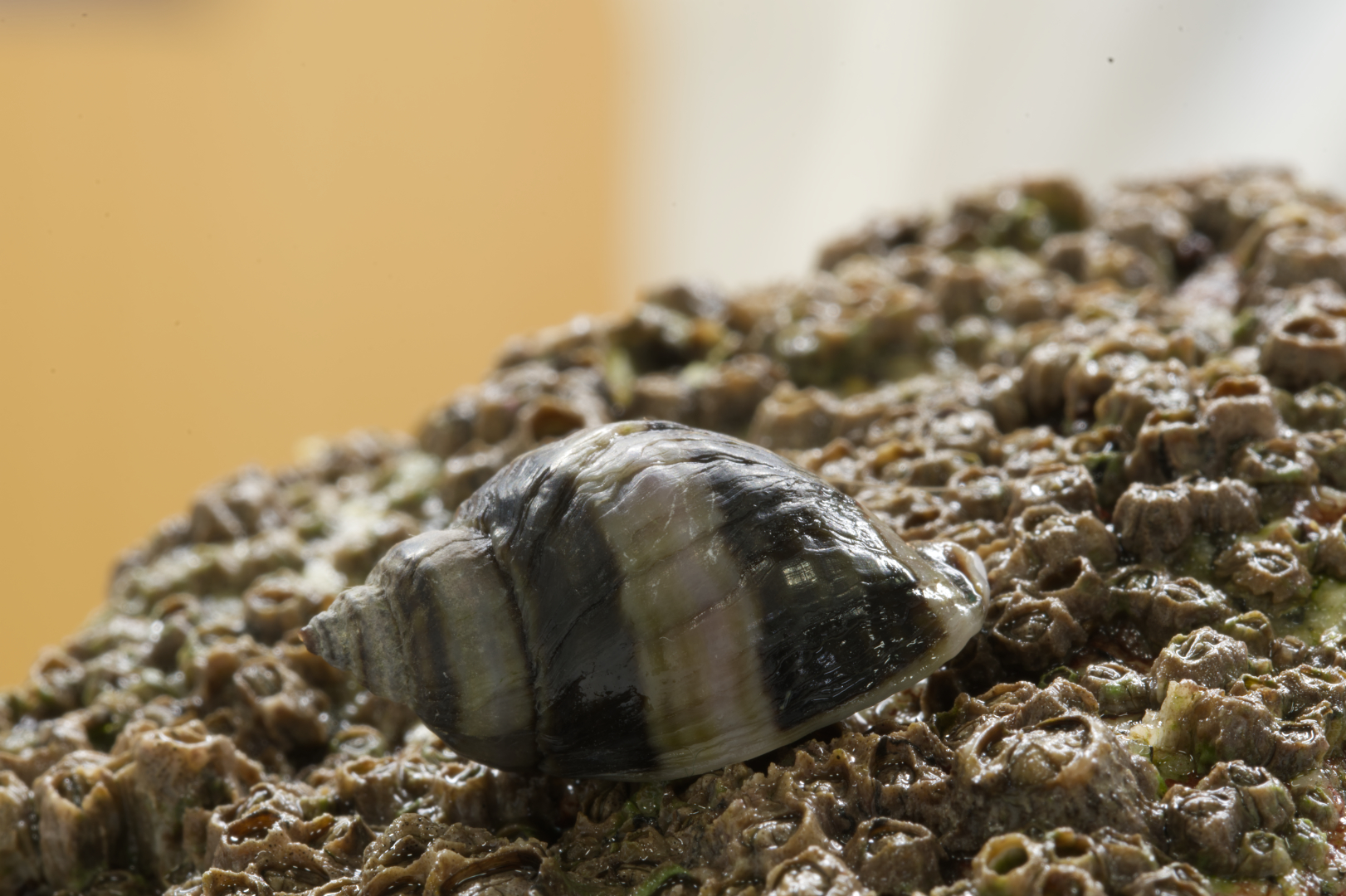
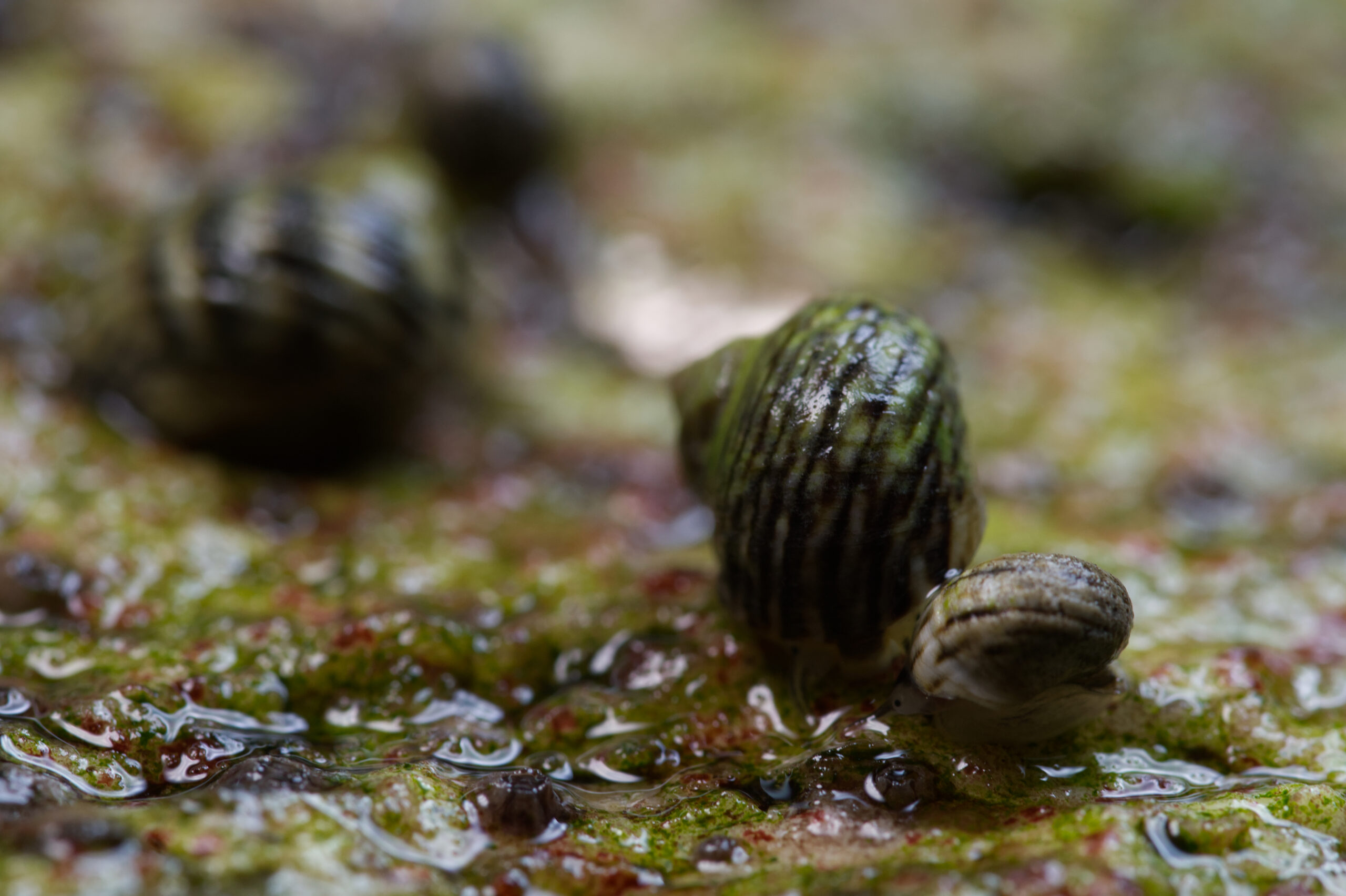
Our research focuses mainly on two species of marine snails: Nucella lapillus and Littorina saxatilis.
Both are common inhabitants of rocky intertidal shores across different regions of the world. However, their distribution within this
environment differs considerably between species.
Littorina saxatilis often lives in close association with patches of barnacles (Chthamalus stellatus), mussels (Mytilus galloprovincialis), or goose barnacles (Pollicipes pollicipes), where it can be found mostly in the mid and lower shore. In the upper shore, they tend to occur near tide pools, shaded damp areas, or sheltered crevices.
This snail is ovoviviparous: embryos develop inside a brood pouch, and the female releases fully formed, crawling juveniles instead of free-swimming larvae.
Because of its strong ecological and evolutionary differentiation, L. saxatilis is an important model species for studying speciation. It presents two well-studied ecotypes, adapted to contrasting microhabitats, which can interbreed in narrow contact zones. These ecotypes differ both in shell morphology and at the genome-wide level.
Wave ecotype: Inhabits the lower shore, where wave impact is the strongest selective pressure. Their shells tend to be smoother, thinner, and with larger apertures, features that help them cope with strong wave action.
Crab ecotype: Found mainly in the mid and upper shore, where predation by crabs is the main selective pressure. Their shells are usually thicker, ridged, and with a smaller aperture, providing greater mechanical resistance.

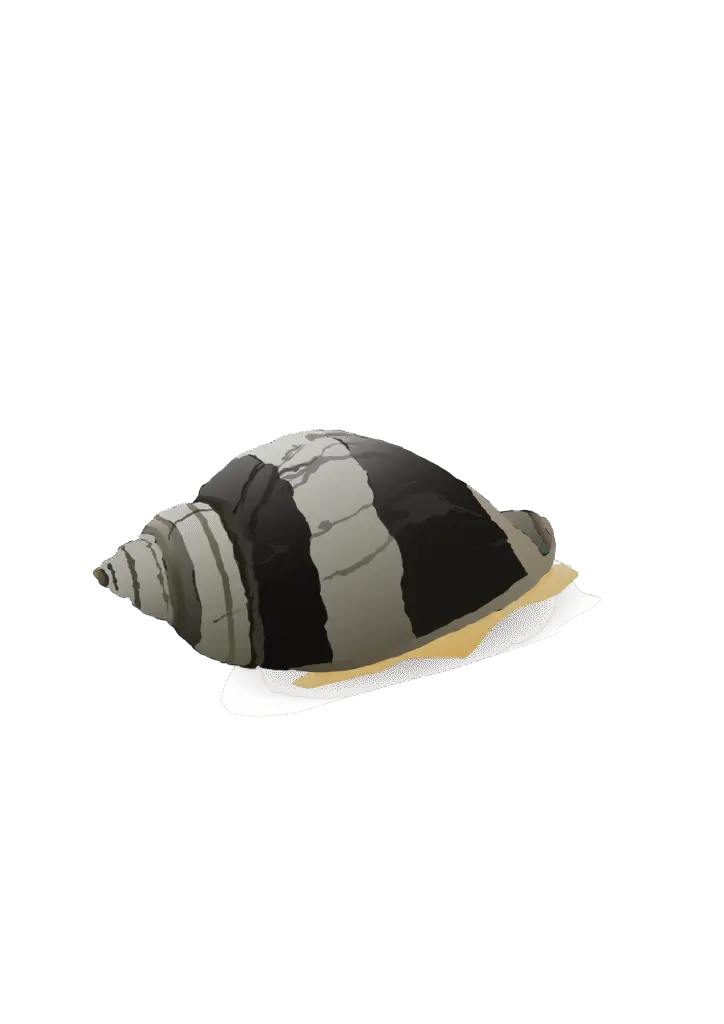
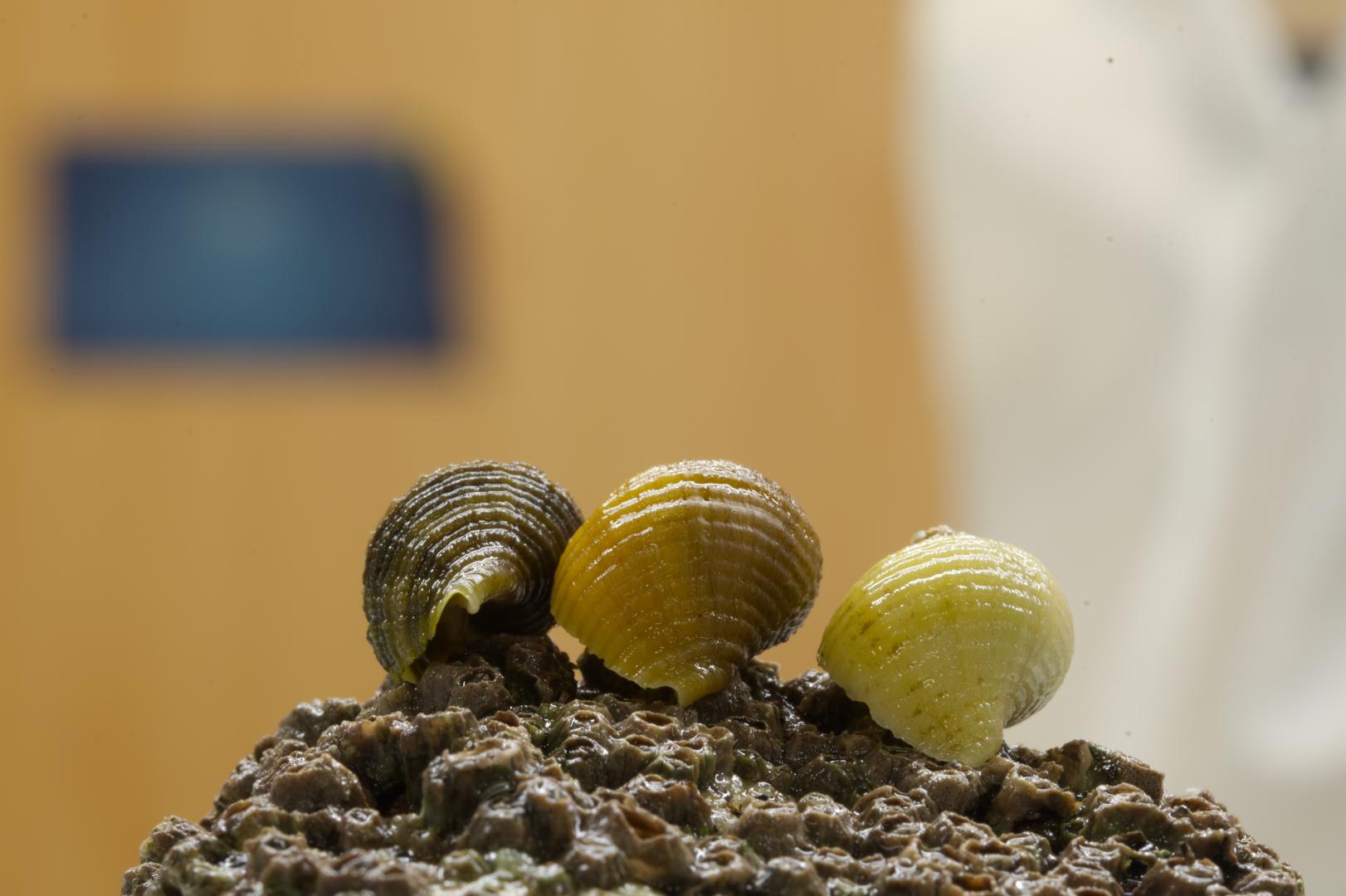
Cíes ecotype: A unique population restricted to the damp boulders of the lagoon in the Cíes Islands. It shows an unusual shell coloration pattern not commonly seen in other populations.
Nucella lapillus usually lives hidden in rock crevices or tucked near (and sometimes under) mussel beds (Mytilus galloprovincialis) in the lower shore. In the mid and upper shore, they are commonly found in crevices or on the shaded underside of moist boulders.
Like L. saxatilis, N. lapillus also shows ecological differentiation in the form of two distinct ecotypes:
Sheltered ecotype: Found in protected areas of the shore, where the main selective force is crab predation. These individuals tend to have thicker shells with smaller apertures, which provide greater resistance against attacks.
Exposed ecotype: Inhabits wave-beaten areas, where the dominant selective pressure is wave action. Their shells are thinner, with larger apertures, traits that help them withstand strong water movement.
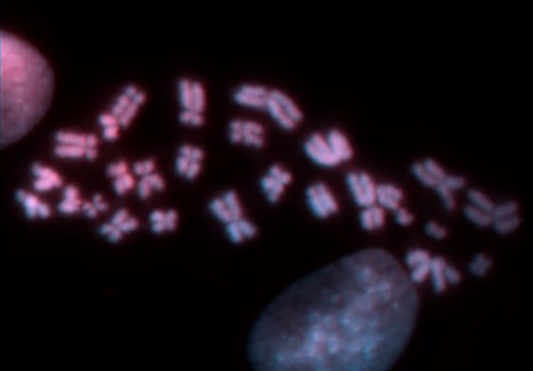
On the chromosomal level, N. lapillus presents a remarkable case of structural variation. A Robertsonian translocation has been described involving five chromosomal pairs. As a result, the species includes two chromosomal taxa:
T26: Characterized by being homozygous for five metacentric chromosomes (26 in total).
T36: More variable, with karyotypes ranging from 27 to 36 chromosomes. These can be composed of different combinations of metacentrics, acrocentrics, or heterozygous arrangements.
The mechanisms underlying this chromosomal polymorphism, as well as their potential implications for gene flow and speciation in N. lapillus, remain unknown and are the subject of ongoing investigation.
Discover ourprojects focusing on evolutionary biology. Snails reveal how adaptive evolution operates across timescales: from the maintenance of polymorphisms and their fitness effects in natural populations to the genomic mechanisms driving reproductive isolation and speciation.
This project examines how ecological, behavioral, and genomic factors jointly create barriers to gene flow in snail populations, revealing the mechanisms of reproductive isolation and speciation.
This project explores how chromosomal rearrangements shape adaptation and speciation in the marine snail Nucella lapillus
This research explores the vital roles snails play in their ecosystems and the impact of environmental change on their populations.
This project investigates how mate choice shapes divergence, polymorphism, and speciation in intertidal snails
We would love to hear from you! For inquiries about our research, collaborations, or any general questions, feel free to reach out using the contact information below.
Contact Us
Links
2025. All rights reserved.